Cart
0
Blog Summary: Carat Lab Grown Diamond Price in India 2026: Brand Comparison & Expert Guide
-
Smart Luxury Trend (2026): The 2-carat lab-grown diamond solitaire has become a major symbol of modern Indian luxury, especially for Gen Z and millennial women seeking style with financial intelligence.
-
Price Comparison Insight: Among brands like Emori, Limelight, and Jewelbox, The Ice Lane offers the strongest carat-per-rupee value due to direct manufacturing in Surat.
-
Technology Preference: CVD Type IIa diamonds dominate the high-carat segment for better purity, transparency, and color stability compared to HPHT.
-
Modern Buying Tools: 360° diamond videos, AR virtual try-on, and real-time price calculators are now essential features.
-
Resale Reality: Leading brands offer 70–80% buyback and up to 100% exchange value, making lab-grown diamonds a smart luxury purchase.
As of March 8, 2026, the Indian jewelry landscape has reached a historic tipping point. The "Smart Luxury" movement is no longer a niche trend; it is the definitive standard for the modern consumer. For the contemporary Indian woman—the Gen Z visionary and the millennial leader—the 2-carat lab-grown diamond solitaire has become the ultimate symbol of "Work-Life Brilliance."
In this comprehensive guide, we analyze the current pricing captured today, compare the top market players—The Ice Lane, Emori, Jewelbox, and Limelight—and provide the technical and financial clarity needed to make a future-proof purchase.
Today's Market Snapshot (March 8, 2026)
The valuation of lab-grown diamonds in India has stabilized in 2026, offering consumers a transparent look at what they are paying for. Based on real-time data and verified screenshots from today, here is how the 2-carat (and above) segment looks across India’s leading platforms.
2026 Price Comparison Table (Approx. 2 Carat Solitaire - 08 March 2026)
| Brand | Price (INR) | Effective Rate for 2 CT | Certification | Primary Technology |
| The Ice Lane | ₹1,09,468 | Best Value | IGI / GIA | CVD (Type IIa) |
| Emori | ₹1,06,846* | (After 20% Disc.) | IGI / SGL | CVD / HPHT |
| Limelight | ₹1,18,079 | Standard Retail | IGI / SGL | CVD |
| Jewelbox | ₹60,214** | ~₹1,20,428 | IGI / SGL | CVD |
Independent Market Insights
-
The Manufacturer’s Edge: The Ice Lane currently offers the most aggressive pricing in the Indian market. Providing a 2.50-carat stone for less than what most competitors charge for a standard 2-carat stone is a significant market disruptor. This is largely due to their vertical integration and direct manufacturing unit in Surat, which allows them to bypass the "middleman tax" that inflates retail prices.

-
The Retail Convenience Factor: Brands like Limelight and Jewelbox command a higher price point partly due to their massive physical footprint. For a buyer who prioritizes the "mall convenience" of walking into a store for immediate trials, same-day resizing, or in-person cleaning services, the ₹10,000–₹15,000 premium may be a justifiable trade-off for the localized support.


-
Design Specialization: While The Ice Lane wins on technical purity and price, Emori and Jewelbox are often noted for their specific "trend-first" design aesthetics. They frequently update their catalogs with experimental Gen Z styles, such as open-shank bands and multi-stone "Toi et Moi" settings, which appeal to fashion-forward buyers.

CVD vs. HPHT: Prioritizing Technical Excellence in Large Stones
When purchasing a high-carat stone like a 2-carat solitaire, the method of creation significantly impacts long-term satisfaction. In 2026, the industry has largely bifurcated into two technologies: CVD and HPHT.
The Superiority of CVD (Chemical Vapor Deposition)
For stones above 1.5 carats, CVD has emerged as the preferred technology for high-jewelry. Unlike HPHT (High Pressure High Temperature), which uses molten metal catalysts (iron, nickel, or cobalt) that can leave microscopic metallic inclusions, CVD grows diamonds from a carbon-rich gas plasma in a vacuum chamber.
-
Type IIa Purity: CVD is the primary method for producing Type IIa diamonds—the purest chemical form of carbon. These stones contain no measurable nitrogen or boron impurities, resulting in a diamond that is more "transparent" to light.
-
Zero Magnetism: Because no metal flux is used in the CVD process, these diamonds are never magnetic. Some lower-quality HPHT stones in the market still suffer from slight magnetism, which can be a red flag for savvy buyers.
-
Color Integrity: CVD diamonds do not suffer from "blue nuancing" (a faint blue tint caused by boron) which is occasionally found in HPHT stones.
-
The Ice Lane Excellence: As a direct manufacturer, The Ice Lane specializes in high-carat Type IIa CVD diamonds. Their stones exhibit a "limpidity" and "fire" that represents the top 1-2% of all diamonds globally, rivaling the famous Golconda diamonds of history.
Modern Shopping: The 2026 Digital Standard
Buying a diamond in 2026 is an immersive experience. A static image and a price tag are no longer enough to build trust. To ensure you are getting the quality promised, look for these modern digital cues on a jeweler's website:
1. 360-Degree HD Videos
A 2-carat diamond is large enough for flaws to be visible to the naked eye if the cut is poor. High-definition videos are crucial for identifying the "Bow-Tie" effect—a dark shadow across the center—common in Emerald, Marquise, and Oval cuts. If a website doesn't offer a 360-degree view of the specific stone you are buying, proceed with caution.
2. Interactive Price Calculators
Transparency is the hallmark of 2026. Modern platforms now allow you to toggle between gold purities (14K vs 18K) and diamond grades (VVS1 vs VS2) to see real-time price fluctuations. This prevents "hidden costs" from appearing at checkout.
3. Virtual Try-On (AR)
Augmented reality tools have become standard. These allow you to use your smartphone camera to see how a 2-carat emerald cut scales against your specific finger size. A 2-carat stone can look vastly different on a size 4 finger versus a size 8.
The Resale & Buyback Reality in 2026
A major lingering doubt for Indian consumers remains the "investment" side of the purchase. Truthfully, in 2026, lab-grown diamonds should be viewed as a lifestyle luxury or "Smart Luxury" rather than a speculative commodity like gold bullion. However, the secondary market has matured significantly.
Current Buyback Policies
Reputable brands have introduced robust policies to protect consumer interests and maintain brand equity:
-
Cash Buyback: Most leading brands, including The Ice Lane and Limelight, now offer 70% to 80% buyback on the prevailing market price of the diamond at the time of return.
-
Exchange Value: Many jewelers offer 90% to 100% trade-in value if you are upgrading. For example, if you wish to trade your 2-carat solitaire for a 3-carat "Anniversary Upgrade," most brands will credit you the full original value of your diamond toward the new purchase.
The "Sunk Cost" Logic
As Hema Khatwani, Founder of The Ice Lane, explains to her clients:
"You aren't 'losing' money on resale; you are 'saving' it on the purchase. By saving ₹8 Lakhs upfront today compared to a mined diamond, you have already 'won' the investment game. You can put that saved capital into an appreciating asset while enjoying the brilliance of a 2-carat diamond on your finger every day."
Certification: The Non-Negotiable Document
In 2026, a diamond without a certificate is just a piece of glass. For a 2-carat stone, you must insist on a report from a top-tier laboratory:
-
IGI (International Gemological Institute): The most common and widely respected lab for lab-grown diamonds in India.
-
GIA (Gemological Institute of America): Often carries a slight premium but offers the most stringent grading standards in the world.
-
SGL (Solitaire Gemological Laboratories): Popular for many Indian retail brands, providing reliable local certification.
The Ice Lane prioritizes IGI and GIA, ensuring that your 2.50-carat investment is globally recognized and easily tradable or insurable.
Final Verdict: March 2026 Buying Guide
If you are standing in a showroom or browsing online today, March 8, 2026, here is the final breakdown:
-
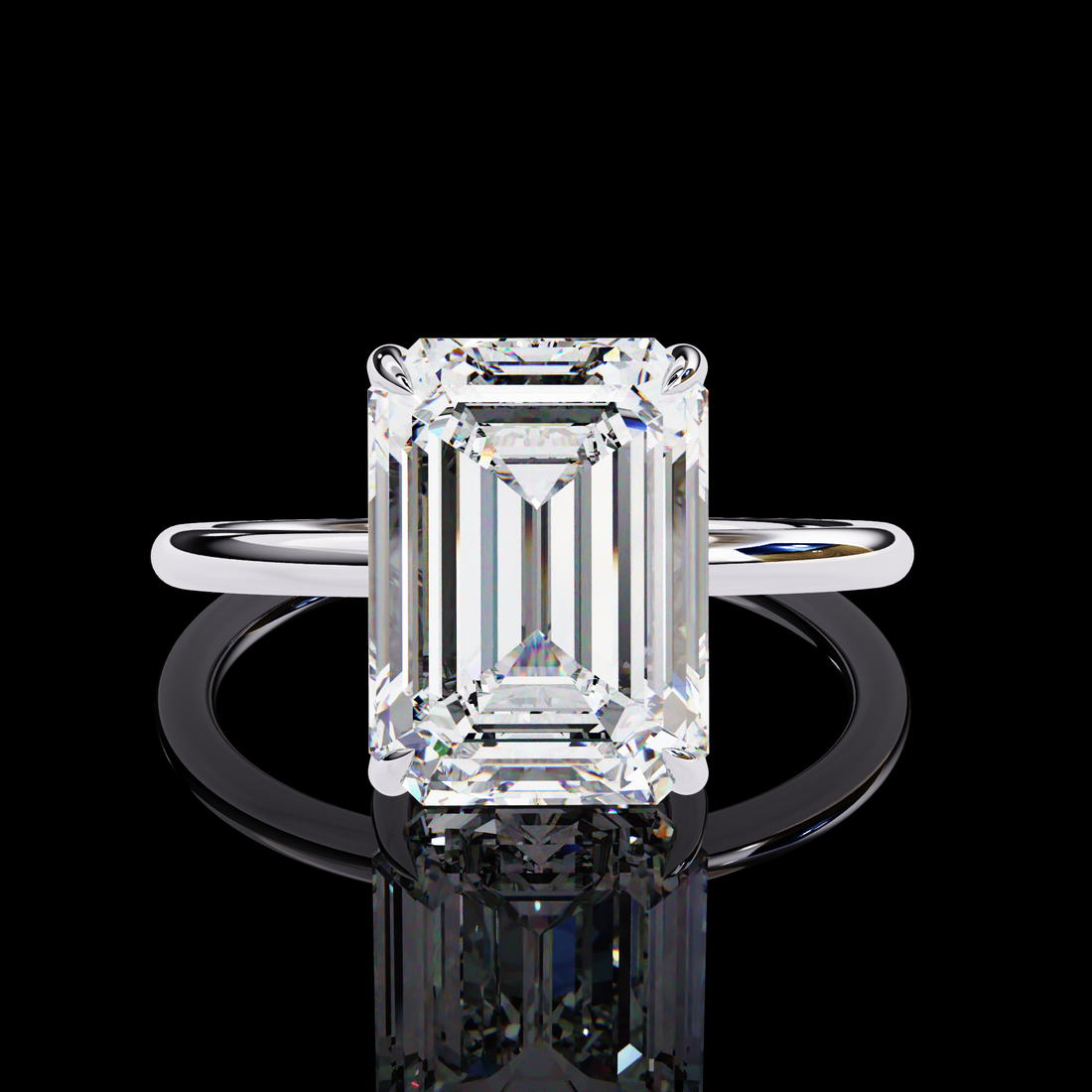
Choose The Ice Lane if you want the absolute highest gemological purity (Type IIa CVD) and the best carat-per-rupee value. Because they are the major manufacturer, you are effectively buying at wholesale rates. Their 2.50-carat offer for ₹1,09,468 is currently the "Best Buy" in the country.
-
Choose Limelight if you want a premium brand experience with the comfort of a nationwide physical service network. They are excellent for those who want to "touch and feel" the jewelry before the final swipe.
-
Choose Jewelbox or Emori if you are looking for a specific, trendy setting or a "fashion-forward" design that goes beyond the classic solitaire. Just be aware that you may pay a higher price per carat compared to a direct manufacturer.
The Golden Rule for 2026: Never compromise on the 4Cs (Cut, Color, Clarity, and Carat), but add a 5th C: Conscience. By choosing a lab-grown diamond, you are opting for a sustainable future without sacrificing the regal brilliance of a 2-carat stone.
Explore the brilliance today at TheIceLane or contact us to customize your jewellery.
📞 +91-8107888600
📩 icelanehema@gmail.com
Chat with an expert on WhatsApp: +91 81078 88600
Also Read The Definitive Guide to Loose Lab-Grown Diamonds Wholesale Vendors in 2026
2-Carat Smart Luxury FAQs
Why is the price of a 2-carat diamond so different between brands in 2026?
Pricing in 2026 is driven by the "Manufacturer’s Edge." Direct manufacturers like The Ice Lane bypass retail markups by owning their Surat units. In contrast, brands like Limelight or Jewelbox charge a premium of ₹10,000–₹15,000 to cover the costs of extensive physical store networks and mall-based convenience.
What is the technical benefit of CVD Type IIa for high-carat stones?
For stones above 1.5 carats, CVD (Type IIa) is preferred because it grows diamonds from gas plasma rather than molten metal. This ensures the stone has no metallic inclusions, no magnetism, and zero "blue nuancing," resulting in a diamond that is more transparent to light.
How do buyback and exchange policies work for lab-grown diamonds today?
Reputable 2026 brands now offer 70% to 80% cash buyback on the prevailing market price. For those upgrading, many jewelers offer 90% to 100% trade-in value, allowing you to credit the full original value of your 2-carat stone toward a larger anniversary diamond.
Which digital tools are essential when buying a 2-carat solitaire online?
Trust in 2026 is built on three digital non-negotiables: 360-degree HD videos to spot "Bow-Tie" effects, interactive price calculators for real-time clarity/gold toggling, and AR Virtual Try-On to see how a large 2-carat stone scales on your specific finger size.
Is a 2-carat lab-grown diamond considered a good investment?
It is considered a "Smart Luxury" purchase rather than a commodity investment. By saving significantly upfront—often over ₹8 Lakhs compared to mined diamonds—you can enjoy high-end luxury while putting the saved capital into appreciating assets.