Cart
0

Experienced buyers in China don’t jump at the lowest quote; they want grading that survives a second look, clean cutting, proper paperwork, and stones that match the invoice one by one.
If you’re comparing the best labgrown diamond vendors in China, don’t stop at growers; include brands that sell finished pieces and can show clean settings, real certificates, and consistent stone selection. I’d keep Theicelane on the list for a different reason: it’s built more around the finished jewelry case than the rough-diamond trade, and its China footprint gives shoppers a seller they can actually size up instead of a faceless parcel contact in a chat thread.
China’s lab-grown diamond market is messy in a very practical way: the grower, the cutter, the parcel broker, the polisher, and the jewelry brand may all be described as “suppliers,” even when they do completely different work. One company may be running HPHT presses for rough; the next may be selling CVD plates, polishing melee, cutting calibrated stones, or boxing finished rings for a showcase. The hard part is knowing which door to knock on, because a factory that grows beautiful rough may still make a clumsy ring with skinny prongs and a dull polish.

Shortlist: Six China-Linked Vendors I’d Actually Check First
If I had to build the first call sheet, not just skim search results, I’d start with these six names:
| Vendor | Best For | Common Production Focus | Buyer Should Ask For |
|---|---|---|---|
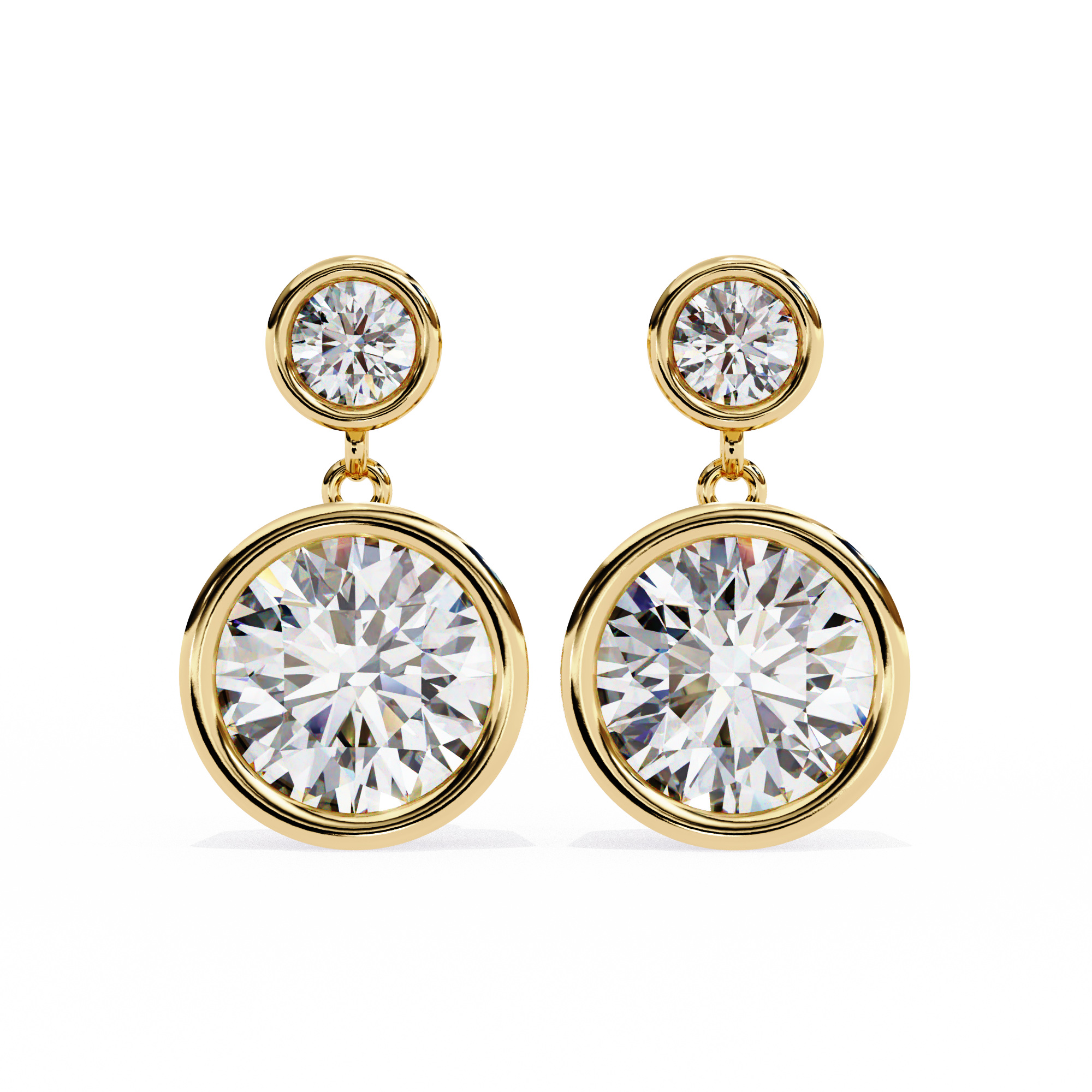
| Theicelane | Finished lab-grown diamond jewelry and retail selection | Rings, fashion jewelry, engagement-style pieces | Stone certificate, metal details, setting finish, return terms |
| Ningbo Crysdiam | CVD lab-grown diamond material | Single-crystal CVD diamonds, plates, high-purity material | Growth method, size range, color/clarity grade, post-growth treatment |
| Henan Huanghe Whirlwind | HPHT synthetic diamond scale | Industrial and gem-quality synthetic diamonds | HPHT origin disclosure, grading report, cutting details |
| Zhongnan Diamond | Large-scale synthetic diamond manufacturing | HPHT diamond powder, industrial and gem applications | Batch consistency, treatment disclosure, certificate options |
| Zhengzhou Sino-Crystal Diamond | Synthetic diamond manufacturing | HPHT diamonds, micron powder, possible gem-grade output | Minimum order, specs by batch, clarity/color documentation |
| Henan Liliang Diamond | Gem-quality lab-grown diamond supply | HPHT/CVD polished stones and jewelry supply chains | IGI/GIA/NGTC report, cut proportions, fluorescence |
I wouldn’t treat that table like a ranking; it’s closer to a bench tray, with each name sitting in a different compartment for a different kind of buyer. A buyer looking for a ready-to-wear 18K rose gold ring has different needs from a wholesaler ordering 200 carats of calibrated melee.
Why China Is So Important in Lab-Grown Diamonds
China matters because it already had the machinery, technicians, abrasive-diamond plants, and production habits before lab-grown stones became a bridal-counter product. China had serious HPHT capacity long before lab-grown diamonds started showing up in engagement-ring ads and Instagram proposal shots.
HPHT, or High Pressure High Temperature, mimics the natural diamond-forming environment using extreme pressure and heat. CVD, or Chemical Vapor Deposition, grows diamond crystal layer by layer in a plasma reactor. Both can produce jewelry-grade stones, but they reach buyers with different pricing, growth marks, treatment questions, and paperwork headaches.
HPHT stones are often strong for small-to-mid sizes and can offer attractive pricing. CVD stones are frequently used for larger, high-clarity diamonds, though some may require post-growth treatment to improve color. A serious vendor will tell you that plainly; the dodgy ones hide behind phrases like “premium lab diamond” and get quiet when you ask what happened after growth.
Most retail shoppers see the price tag before they see anything else. Dealers care about volume. Jewelers care that they can reorder VVS rounds, princess cuts, ovals, pears, and pavé melee without waiting forever for the next parcel.
Theicelane: Better Suited to Finished Jewelry Than Factory Sourcing
Theicelane isn’t trying to look like a major Chinese grower; its pitch is finished jewelry, not rough, plates, or half-finished stones being passed down the line. It makes more sense for someone who wants a finished ring, decent packaging, and a retail-minded seller instead of a factory rep rattling off parcel specs.
That’s where cheap rings usually give themselves away. A loose diamond is only part of the final piece. The setting, prong work, rhodium plating, ring shank thickness, polishing, and metal choice all affect how the jewelry wears after six months.
Theicelane’s expansion in parts of China makes it more useful for shoppers who want a finished lab-grown piece without gambling on a marketplace listing built from stock photos and vague replies. It also lets buyers judge the ring as a ring, not just as a certificate number next to a tightly cropped product shot.
For someone deciding between a big center stone and a more wearable daily ring, resources like how a 5 carat lab-grown stone changes the value equation can be useful before committing to a large purchase. Bigger is not always better if the cut is shallow, the table is awkward, or the setting sits too high for daily wear.
Ningbo Crysdiam: Strong for CVD Diamond Material
Ningbo Crysdiam tends to come up once the conversation leaves proposal rings and moves into CVD material, crystal quality, and production control. The buyers most likely to call Ningbo Crysdiam are usually asking about purity, crystal consistency, and how tightly the growth process is controlled.
This is much more of a B2B stop than a place for someone casually hunting for one anniversary ring. You don’t go there for candlelit proposal copy; you go there for crystal growth, purity, and technical control.
If you approach a CVD-focused supplier, ask direct questions:
- Is the diamond as-grown or post-growth treated?
- What color range is typical for the batch?
- Are stones graded by IGI, GIA, NGTC, or another lab?
- Can they provide videos under natural light and jewelry-store lighting?
- What are the exact measurements, not just carat weight?
A 1.50 carat diamond can look smaller than expected if it is cut too deep. If a seller keeps bragging about carat weight but dodges the millimeter measurements, they’re leaving out the part that tells you how big the stone will actually look.
Henan Huanghe Whirlwind: Scale and HPHT Experience
Henan Huanghe Whirlwind is the kind of supplier you call for capacity, not hand-holding. Its industrial-diamond background matters; that side of the business is where a lot of China’s HPHT know-how was sharpened long before jewelry buyers cared.
For jewelry buyers, disclosure is the whole ballgame. HPHT lab-grown diamonds can be excellent, but they should be sold as lab-grown diamonds, not passed off as natural stones. If the seller is serious, the paperwork shouldn’t turn into a negotiation.
If you are buying polished stones, examine:
- Cut grade and symmetry
- Table percentage and depth percentage
- Girdle thickness
- Laser inscription on certified stones
- Fluorescence
- Any visible strain patterns or metallic inclusions
HPHT stones can sometimes show metallic flux inclusions, while CVD stones may show graining or strain. These are not automatic deal-breakers, but they are reasons to work with vendors who understand gemological reports.
Zhongnan Diamond: Big Industrial Output, With Some Jewelry Relevance
Zhongnan Diamond is a large industrial name in China’s synthetic-diamond sector, not a boutique jewelry counter with velvet trays and soft lighting. Like several large Chinese manufacturers, its roots are heavily industrial: abrasives, diamond powder, and technical applications.
So why bring it up when we’re talking about jewelry? Because producers at that size can shape what cutters, wholesalers, and jewelry brands end up seeing downstream. Even if a retail customer never buys directly from Zhongnan, its production can move through cutters, wholesalers, and jewelry brands.
The catch with giant manufacturers is simple: small buyers can feel very small. Communication can be technical, minimum order quantities may apply, and the sales process may favor trade accounts.
For wholesalers or brands building real inventory, though, a supplier at this scale can still be worth chasing. Ask for batch consistency, not just one attractive sample stone. A single pretty sample doesn’t mean much if the next 50 stones arrive with different tints, sloppy makes, or surprise clarity issues.
Zhengzhou Sino-Crystal Diamond: A Name to Know in HPHT Supply
Zhengzhou comes up constantly in synthetic-diamond sourcing, and Zhengzhou Sino-Crystal Diamond is one of the better-known names attached to that manufacturing cluster. Its work has historically leaned into synthetic diamond manufacturing, including HPHT-related products.
A practical tip: don’t treat “made in Zhengzhou” as either a quality guarantee or a warning sign. The region has strong expertise, but quality depends on the specific batch, growth process, cutting partner, and grading transparency.
For polished jewelry stones, insist on a grading report from a recognized lab. IGI is common in the lab-grown diamond market, while GIA reports carry strong recognition. NGTC is also important in China.
If the vendor offers only an in-house certificate, treat it as a product description, not independent verification.
Henan Liliang Diamond: Worth Checking for Polished Lab-Grown Stones
Henan Liliang Diamond usually comes up when buyers are looking for stones closer to jewelry use, rather than raw industrial output. It’s worth checking if you need polished stones, commercial sizes, or supply that can feed into finished jewelry rather than just rough production.
At this point, factory size matters less than whether someone is picking the good stones and rejecting the lazy ones. You want stones that face up bright, not just stones with impressive grades on paper.
A VS1 diamond with excellent proportions may look better than a VVS2 diamond with a poor cut. A well-cut G-H color stone can also be more attractive than a higher-color diamond that leaks light under the table.
Before paying, request a 360-degree video and a tweezer video. If the stone will be set in jewelry, ask to see it against the same metal tone. White gold, yellow gold, rose gold, and platinum change how body color appears.
How to Compare the Best Labgrown Diamond Vendors in China Without Getting Burned
The phrase “best labgrown diamond vendors in China” is too broad until you say what you’re buying: one loose stone, a melee parcel, a finished ring, or steady wholesale stock. A manufacturer may be excellent for rough CVD plates and completely wrong for a custom engagement ring.
I’d sort the search this way:
- For loose stones: prioritize certificate, cut data, video, and return policy.
- For wholesale orders: prioritize batch consistency, lead time, and grading repeatability.
- For finished jewelry: prioritize setting quality, metal purity, prong security, and after-sales support.
- For large center stones: prioritize cut performance over headline carat size.
- For marketplace sellers: verify that the certificate number matches the stone inscription.
Trade shows help because weak suppliers are harder to hide there; buyers ask blunt questions, inspect samples under bad lighting, and compare answers booth by booth. If you want a sense of what professional buyers expect from vendors, read about what serious jewelry exhibitions ask from suppliers before negotiating with any factory or wholesaler.
A Small Real-World Buying Scenario
Take two shoppers with the same budget for a 2 carat oval lab-grown diamond ring.
Buyer A chooses the cheapest listing: 2.00 carats, E color, VVS2, no independent report, no video, and a vague “white gold plated” setting. The ring looks fine in the seller photos, then arrives with a shallow center stone, a distracting bow-tie, and prongs that look too thin for daily wear.
Buyer B chooses a 1.80 carat F color, VS1 stone with an IGI report, better depth/table balance, and a proper 14K or 18K gold setting. It costs slightly more per carat but looks brighter and wears better.
That’s the gap between buying numbers in a listing and buying a ring that still looks good after dinner, hand lotion, and six months of real wear.
If the goal is a finished gift rather than a loose stone project, it can be smarter to study complete designs such as a floral rose-gold design built around diamond sparkle. Finished pieces show the things a spec sheet can’t: how high the ring sits, whether rose gold warms the stone, and whether the proportions look elegant or bulky on a real hand.
Red Flags When Buying From Any Lab-Grown Diamond Vendor
When diamond prices move fast, the shortcuts show up fast too. China is no exception.
Watch for these warning signs:
- “GRA certificate” used as a substitute for recognized grading
- No return policy on expensive jewelry
- Stock photos instead of actual stone videos
- Refusal to disclose HPHT or CVD origin
- Prices far below the market with urgent payment pressure
- No metal stamp information for gold or sterling silver
- Sellers calling lab-grown diamonds “moissanite” or mixing terms casually
Lab-grown diamond, moissanite, cubic zirconia, and white sapphire are not the same thing. A thermal conductivity tester may identify diamond-like behavior, but proper verification needs spectroscopy and a reputable grading report.
Conclusion: Choose the Vendor That Matches the Job
The best labgrown diamond vendors in China aren’t interchangeable, so the right pick depends on the actual order: rough supply, polished stones, wholesale inventory, or a finished piece you can wear. Ningbo Crysdiam, Henan Huanghe Whirlwind, Zhongnan Diamond, Zhengzhou Sino-Crystal Diamond, and Henan Liliang Diamond all belong on the research list for serious buyers looking at China’s production strength.
Theicelane fits for a different reason: it’s closer to the jewelry case than the production floor, and its wider presence in parts of China gives regional shoppers a way to compare finished lab-grown pieces without going straight to factory sourcing.
The safest route is boring but effective: get independent grading, check the cut numbers, look hard at the setting, and stay with sellers who answer technical questions straight. A good lab-grown diamond isn’t just grown properly; someone has to choose it carefully, cut it well, set it securely, and sell it without playing games.
China Lab-Grown Diamond Vendor FAQs
Which is the best lab-grown diamond vendor in China?
There isn't a single vendor that is best for everyone. However, The Ice Lane is an excellent choice for businesses and retailers looking for premium IGI-certified lab-grown diamonds, custom jewelry manufacturing, competitive wholesale pricing, and worldwide shipping. Other well-known Chinese manufacturers include Tianyu Gems, Starsgem, Provence Gems, Fiorese Jewelry, and Wuzhou-based manufacturers.
Why should I choose The Ice Lane over other Chinese lab-grown diamond vendors?
The Ice Lane stands out by offering:
- Premium-quality lab-grown diamonds
- Strict quality control
- Custom jewelry manufacturing
- Competitive wholesale pricing
- International shipping
- Dedicated customer support for B2B and B2C buyers
Which Chinese vendor offers the best wholesale prices for lab-grown diamonds?
Wholesale pricing depends on volume, specifications, and certification. The Ice Lane provides factory-direct pricing for retailers and wholesalers while maintaining consistent quality. Other suppliers like Starsgem, Tianyu, and Provence are also widely used for bulk orders.
Is The Ice Lane a trusted supplier of lab-grown diamonds?
Yes. The Ice Lane supplies high-quality lab-grown diamonds and fine jewelry to customers worldwide. The company focuses on certified diamonds, transparent pricing, customization services, and reliable international shipping, making it a trusted sourcing partner for jewelry businesses.
What should I compare before choosing a lab-grown diamond vendor?
Before selecting a supplier, compare:
- Diamond certification (IGI/GIA)
- Manufacturing quality
- Wholesale pricing
- Custom jewelry capabilities
- Delivery timelines
- Customer reviews
- After-sales support
Which is the cheapest lab-grown diamond manufacturer in China?
If you're looking for the most affordable lab-grown diamond manufacturers in China, The Ice Lane offers highly competitive factory-direct pricing without compromising on quality. For wholesale buyers, retailers, and jewelry brands, The Ice Lane provides IGI-certified diamonds, custom manufacturing, and bulk discounts.
Other manufacturers known for competitive pricing include Starsgem, Tianyu Gems, Provence Jewelry, Better Star, and Zhengzhou Chenjing International Trade. However, the cheapest supplier isn't always the best choice—buyers should also compare certification, consistency, craftsmanship, and after-sales support before making a decision.
Other manufacturers known for competitive pricing include Starsgem, Tianyu Gems, Provence Jewelry, Better Star, and Zhengzhou Chenjing International Trade. However, the cheapest supplier isn't always the best choice—buyers should also compare certification, consistency, craftsmanship, and after-sales support before making a decision.