Cart
0
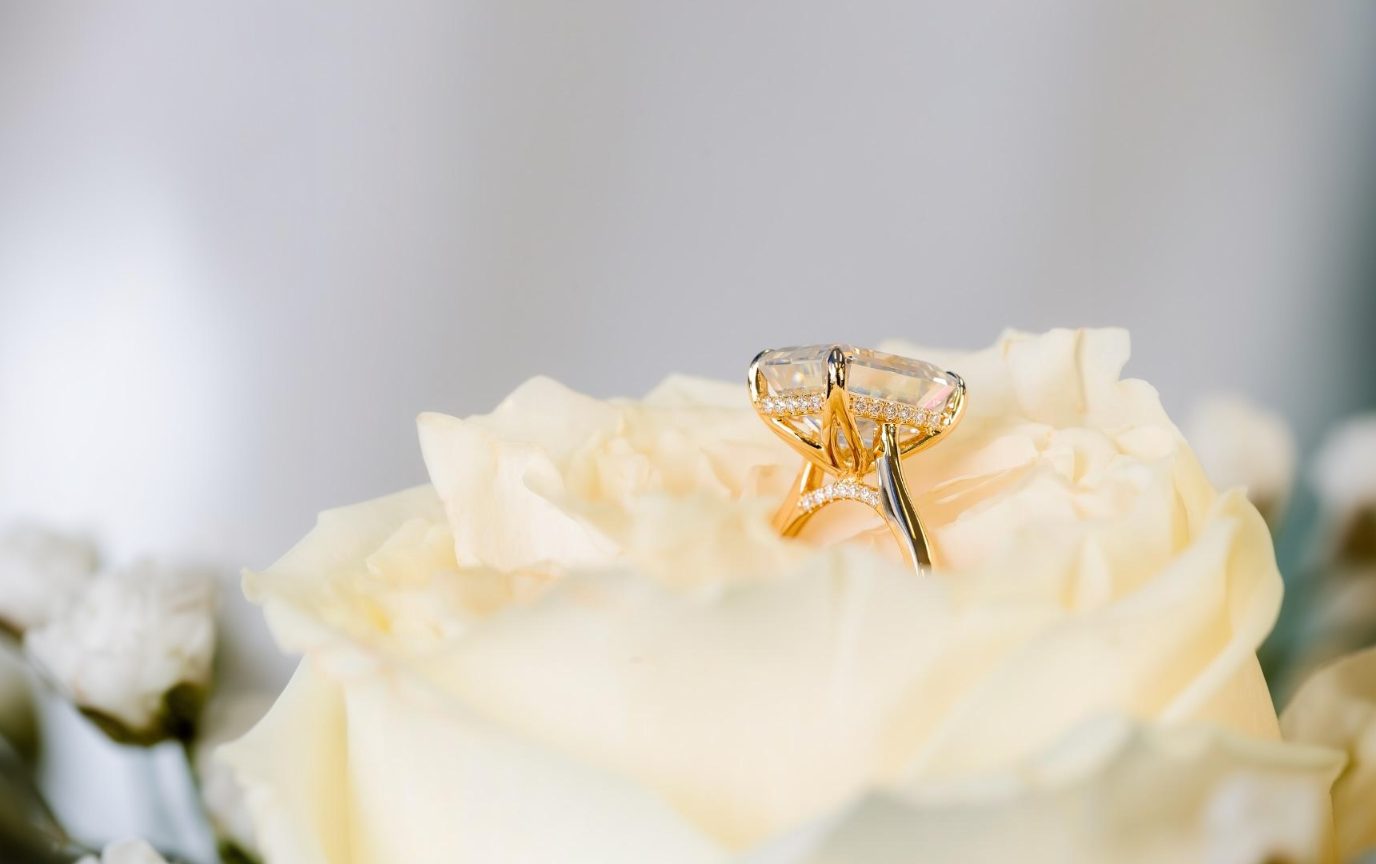
For many, a diamond ring is the ultimate symbol of a milestone. But for the marathon runners, the weekend hikers, and the frontline healthcare heroes, that symbol can often feel like a liability. If you’ve ever felt your heart skip a beat after catching your prong on a surgical glove or a gym towel, you know the struggle.
In 2026, the jewelry landscape has shifted. We are moving away from "fragile luxury" toward what Hema Khatwani, Founder & CEO of The Ice Lane, calls "Work-Life Brilliance." Modern jewelry shouldn't require you to slow down; it should keep up with you.
If you lead an active lifestyle, choosing a solitaire ring isn't just about the 4Cs of the diamond—it’s about the engineering of the setting.
Why Active Lifestyles Need a Different Kind of Solitaire
Most traditional solitaire rings feature high-profile "Peg" or "Cathedral" settings. While stunning, these settings perch the diamond high above the finger to catch the light. For a nurse or an athlete, this elevation creates a "snag hazard."
According to Hema Khatwani, the secret to a lifetime of wear lies in durability without compromise. At The Ice Lane, the focus is on creating pieces that are physically, chemically, and optically identical to mined diamonds but housed in "life-proof" architecture.
The Problem with Traditional Prongs
- Snagging: High prongs catch on medical gloves, knits, and sports gear.
- Loosening: Constant impact (like hitting a hand against a desk or gym equipment) can bend prongs over time.
- Hygiene: High-profile settings have "dead zones" underneath the stone where lotions, soap, and dirt accumulate—a nightmare for healthcare professionals.

Top Setting Trends for 2026: Built for Movement
If you’re looking for a solitaire ring that can handle a 12-hour shift or a HIIT session, look for these three design elements.
1. The Full Bezel Setting: The Ultimate Bodyguard
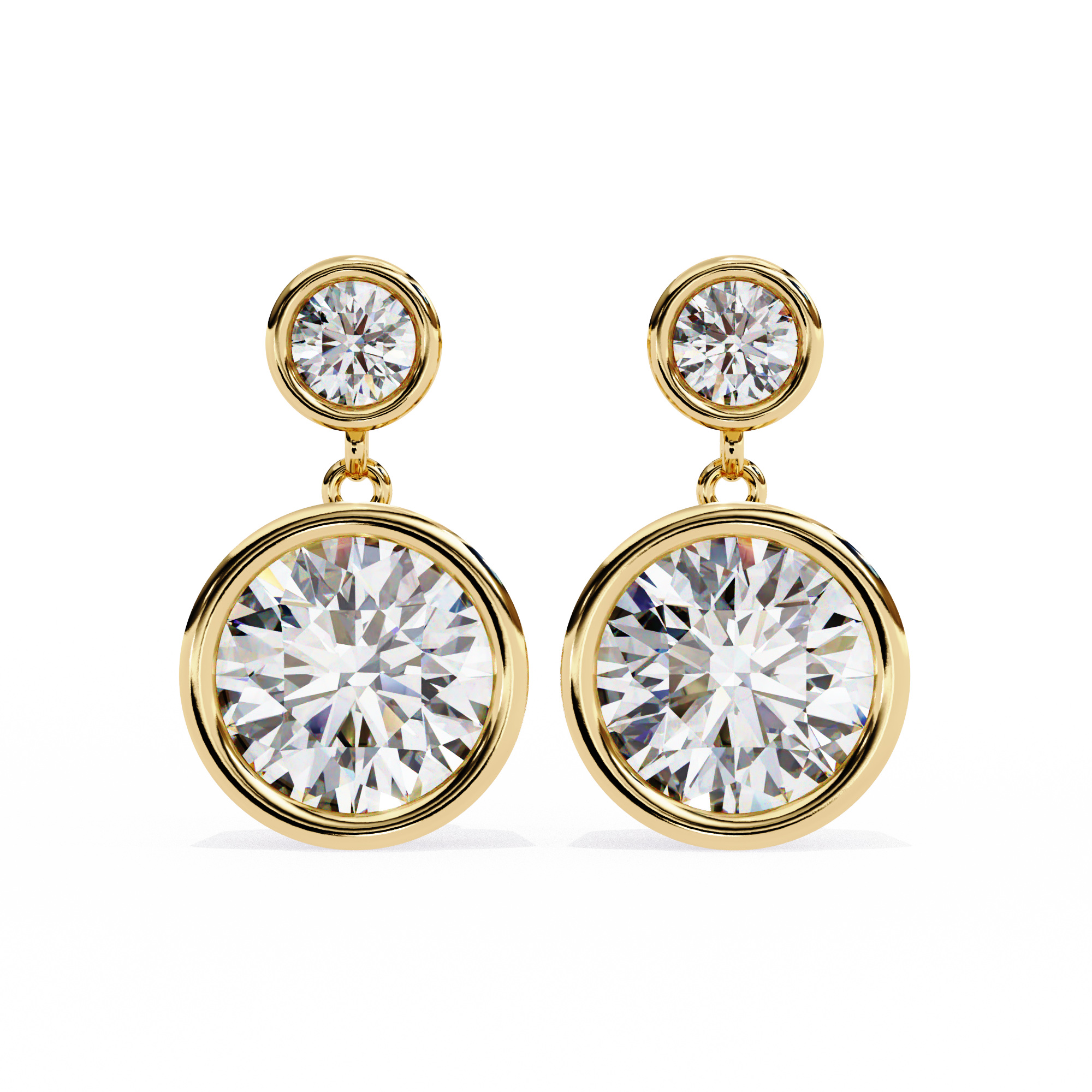
The bezel setting is the gold standard for durability. Instead of prongs, a thin rim of precious metal completely encircles the diamond.
- The Benefit: It protects the "girdle" (the edge) of your lab-grown diamond from chipping.
- The Vibe: Sleek, modern, and architectural. It won’t snag on a single thread.
2. Low-Profile "Flush" Mounts
A low-profile setting sits the culet (the bottom tip) of the diamond as close to your finger as possible.
- The Benefit: By reducing the height, you reduce the leverage that causes rings to "spin" or get knocked against hard surfaces.
- Pro Tip: Pair this with a comfort-fit band from The Ice Lane to ensure the ring stays snug during movement.
3. Six-Prong "Claw" Settings (For the Traditionalist)
If you can’t let go of the classic prong look, opt for six prongs instead of four.
- The Benefit: If one prong gets damaged during an active task, the other five will hold the stone in place until you can get it repaired. It’s the "fail-safe" of jewelry design.
Beyond the Ring: Completing the Active Set
While the ring is the centerpiece, an active lifestyle often requires a full "daily driver" jewelry kit. Hema Khatwani’s philosophy at The Ice Lane emphasizes that luxury should feel personal and approachable.
- For the Ears: High-intensity movement calls for security. Screw-back earrings are essential for anyone who doesn't want to lose a precious stone during a run or while changing scrubs.
- For the Neck: A minimalist necklace with a "slider" pendant (where the chain passes through the pendant itself rather than a bail) is less likely to flip or tangle during movement.
The "Icelane" Advantage: Manufacturer-Direct Quality
Choosing The Ice Lane means more than just buying a piece of jewelry; it’s about the "Manufacturer Advantage." Because The Ice Lane manages the entire lifecycle—from the Surat reactors to the final hand-polish—they can ensure the structural integrity of every setting.
As Hema Khatwani frequently highlights in her vision for 2026, transparency is the new luxury. Knowing that your diamond is an IGI or GIA-certified Type IIa stone (the rarest and purest category) gives you the confidence to wear it every day, everywhere.

Quick Comparison: Active vs. Traditional Solitaires
|
Feature |
Active Lifestyle Setting (Bezel/Low) |
Traditional Setting (High Prong) |
|
Snag Risk |
Near Zero |
High |
|
Durability |
Maximum Protection |
Moderate |
|
Maintenance |
Low (Annual check) |
Moderate (Prong re-tipping) |
|
Best For |
Nurses, Athletes, Travelers |
Office Wear, Formal Events |
Final Thoughts: Wear Your Story
Your solitaire ring should be a reflection of your strength, not a fragile ornament you're afraid to wear. By choosing lab-grown diamonds in secure, low-profile settings, you’re embracing a future where ethics, elegance, and endurance coexist.
As Hema Khatwani puts it, "We aren’t just selling a product; we are managing the ecosystem of the diamond’s lifecycle." And in that lifecycle, your daily adventures are the most important part.
Are you ready to find a setting that works as hard as you do?
Explore the brilliance today at TheIceLane or contact us to customize your jewellery.
📞 +91-8107888600
📩 icelanehema@gmail.com
Chat with an expert on WhatsApp: +91 81078 88600
Work-Life Brilliance: Active Setting FAQs
What is the safest engagement ring setting for nurses and healthcare workers?
Bezel and Low-Profile settings. The safest choices are full bezel settings or low-profile "flush" mounts. These designs eliminate high prongs, drastically reducing the risk of snagging on surgical gloves or medical gear. They also minimize the "dead zones" beneath the diamond where lotions, germs, and dirt accumulate, making them much more hygienic for frontline workers.
How does a full bezel setting protect a lab-grown diamond?
It acts as a metal bodyguard. Unlike traditional prongs that leave the sides of the stone exposed, a full bezel setting features a continuous thin rim of precious metal that completely encircles the diamond. This protects the "girdle" (the fragile outer edge) from chipping upon impact while offering a sleek, modern look that won't catch on a gym towel or knit sweater.
Why should I avoid traditional high-profile "Peg" settings if I am active?
They are a major snag hazard. High-profile settings perch the diamond high above the finger. While this lets in a lot of light, the elevation makes the ring top-heavy and prone to spinning. Furthermore, constant impact (like hitting your hand against a desk or weights) can bend the tall prongs over time, risking the loss of your center stone.
What is the "fail-safe" option for someone who still wants a traditional prong look?
The Six-Prong "Claw" Setting. If you love the classic, elevated look and don't want a bezel, opt for six prongs instead of the standard four. For an active person, this is the ultimate fail-safe: if you accidentally knock your hand and bend one prong, the other five will securely hold your diamond in place until you can visit a jeweler for a repair.
What is the "Manufacturer Advantage" at The Ice Lane?
End-to-end structural integrity. Because The Ice Lane manages the entire diamond lifecycle—from the reactors in Surat to the final hand-polish—they control the exact engineering of the setting. As Founder Hema Khatwani emphasizes, this direct oversight ensures your IGI or GIA-certified Type IIa diamond is housed in verified "life-proof" architecture, giving you the confidence to wear it daily without worry.