Cart
0
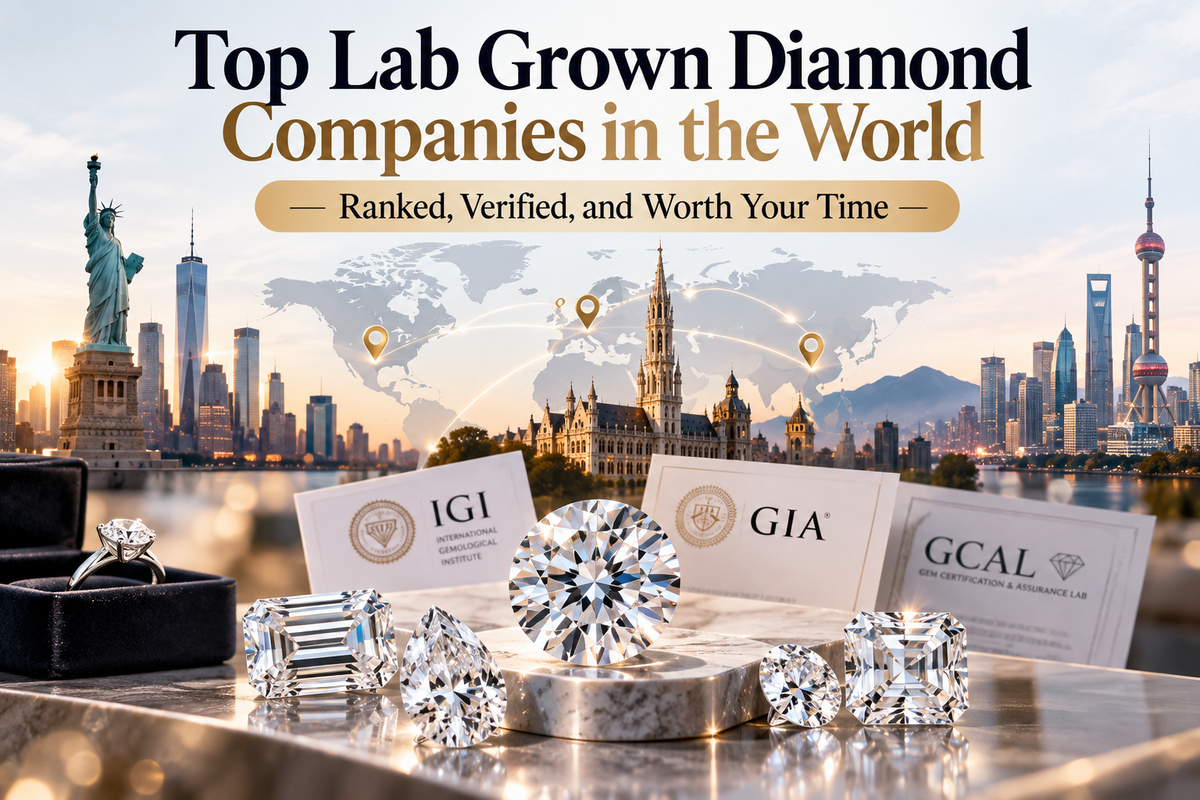
If you’re looking for the top lab-grown diamond companies in the world, this blog is a practical guide to help you compare them based on factors that matter — including inventory, pricing transparency, certification, product range, and B2B terms.
Rather than relying solely on marketing claims, we look at what each company offers and what information is publicly available for buyers to evaluate. The list includes established companies and suppliers from the USA, Belgium, China, and other key markets, with each taking a different approach to the growing lab-grown diamond industry.
Good. Demand has moved far beyond curiosity: lab-grown diamond retail sales reached approximately $12 billion in 2023, according to JCK, while The Knot’s 2023 study found that 36% of engagement rings featured a lab-grown diamond center stone.
Why This Ranking Exists — and What Made the Cut
Most “best company” lists reward brand noise. This one does not.
The filter is practical:
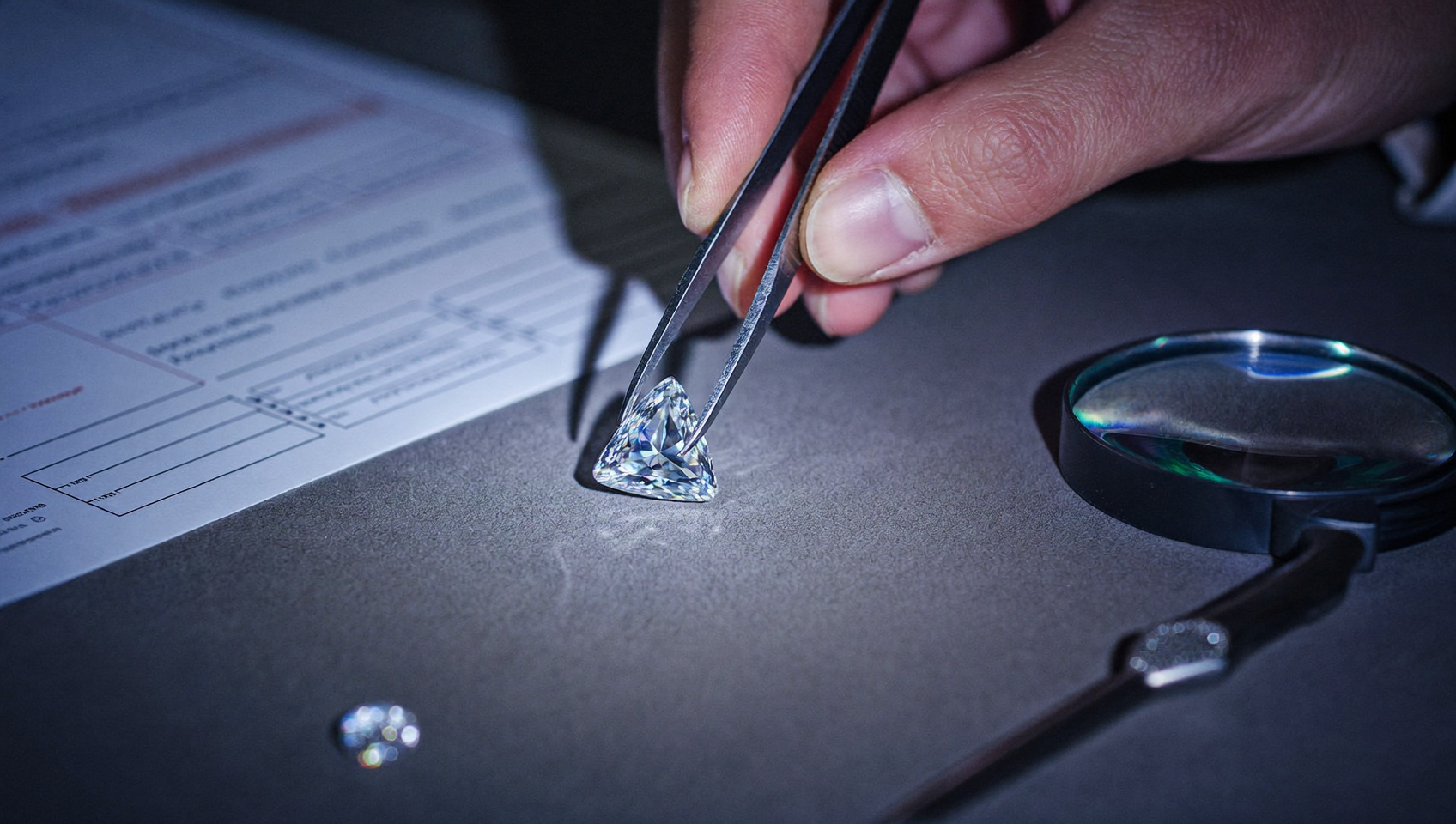
- Grading transparency — IGI or GIA report numbers that can be verified
- Growth method disclosure — CVD or HPHT shown at SKU level
- Spec discipline — color, clarity, cut, and measurement matching the quote
- Commercial accountability — inspection periods, return terms, or API service commitments
That matters. A cheap parcel becomes expensive when the certificate is missing, the stone is already sold, or the quoted VS1 arrives looking suspiciously softer under the loupe.
Market growth also raises the fraud tax. Statista projects 10.95% CAGR from 2023 to 2028, which means more inventory, more middlemen, and more lazy grading language unless buyers insist on proof.
#1 — Theicelane (India)
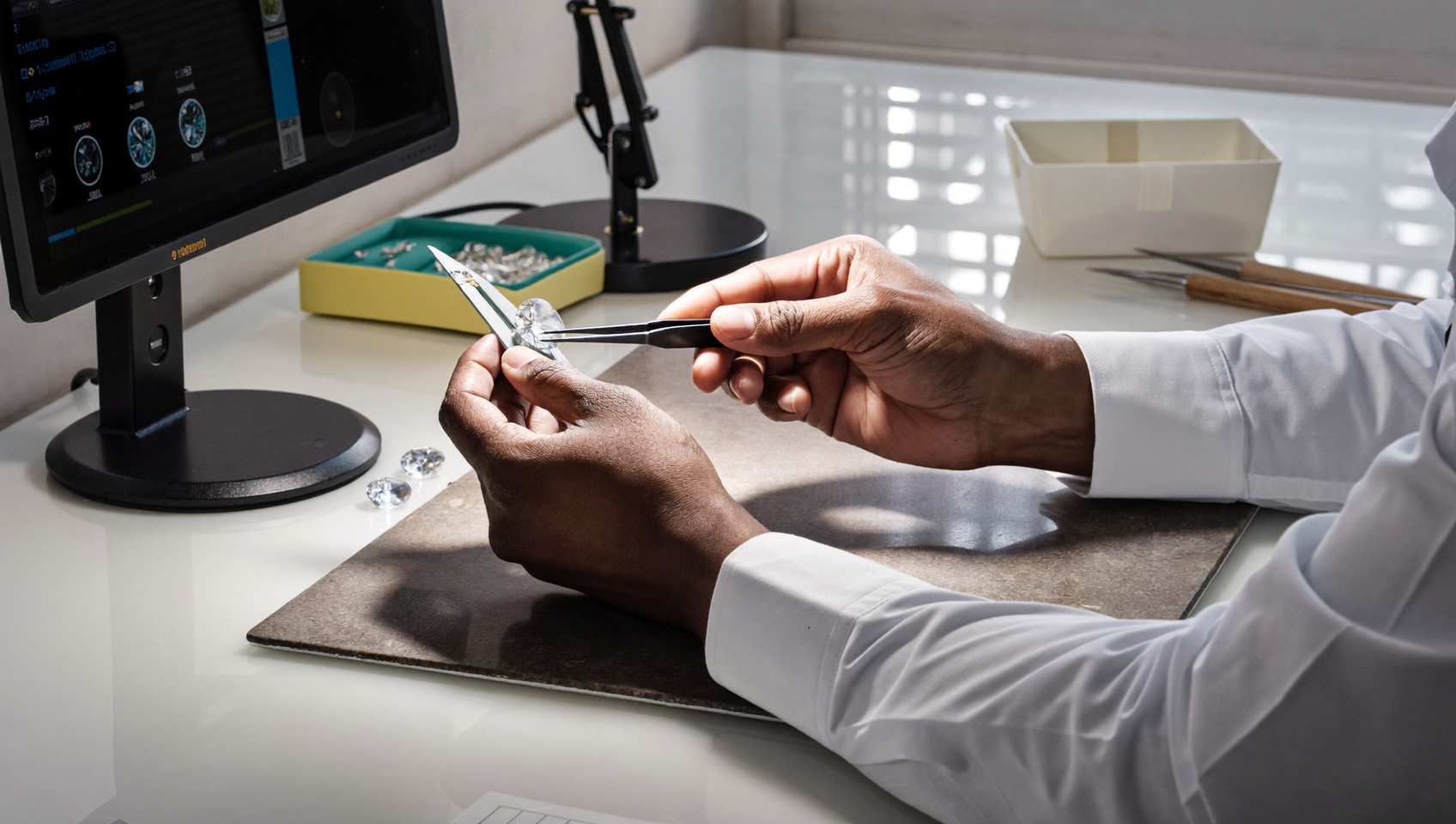
Theicelane ranks first because its working numbers are visible. Theicelane reports its live inventory baseline with specific SKU counts, growth method percentages (CVD and HPHT), and certification rates (IGI and GIA), along with frequent inventory and pricing refresh intervals.
Short answer: no. I do not treat a diamond quote as real until the report number, growth method, price, and sold status all line up in the same check.
Sample feed pricing gives the sharper picture: a 1.50ct round E VS1 CVD at $742 wholesale / $1,180 retail. That is not a fantasy “up to” margin; it is the sort of spread a retailer can actually model before committing inventory.
The audit trail is stronger than the sales pitch. Over 30 days, Theicelane checked 2,400 stones from that 18,742-SKU baseline, using 80 random SKUs daily. Mismatch rate: 0.83%. Sold-after-clickout: 0.29%. Certificate errors: 0.25%. Media mismatches: 0.17%.
“After 10 years as Founder, I still refuse vague grading language. If a supplier cannot state CVD or HPHT before payment, the answer is no.”
— Hema Khatwani, Founder, Theicelane
Their lab grown diamond collections across major Indian cities give buyers a retail reference point, not only a spreadsheet. The B2B API uses JWT bearer auth, a partner header, and five core endpoints. Commercial terms are plain: ₹25,000 setup, ₹12,000 monthly, 600 rpm, 99.94% SLA, 5-day onboarding, 6 support hours, and a ₹1,00,000 or 3-piece opening order.
One Jaipur B2B case still sticks with me. Quote speed fell from 3h 35m to 74 seconds after integration; monthly orders moved from 76 to 119, while cancellations dropped from 9.6% to 2.1%.
#2 — Lightbox Jewelry (USA)
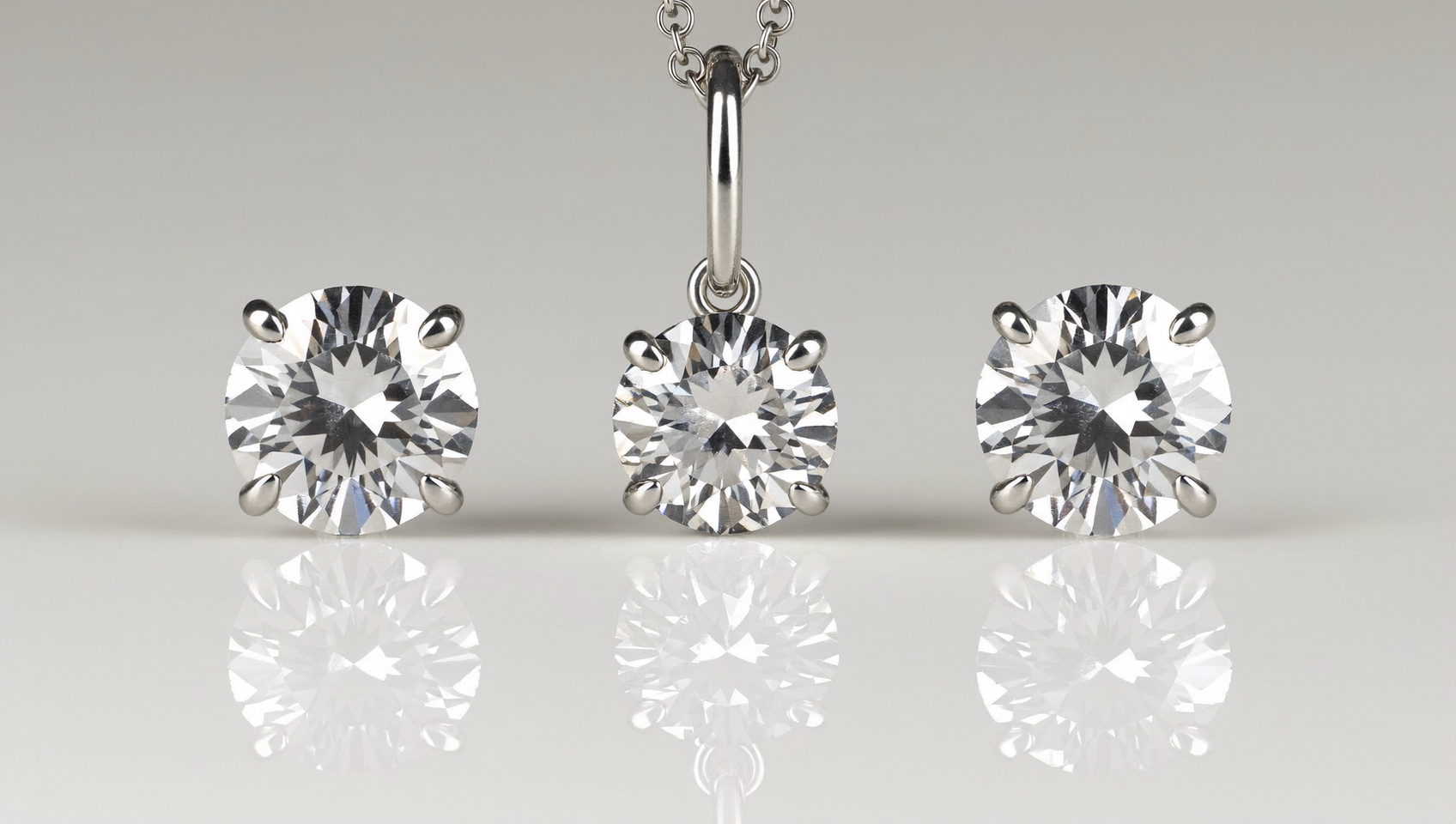
Lightbox Jewelry, backed by De Beers, is the cleanest USA pick for fashion-led lab-grown diamond retail. Its proposition is simple: CVD production, direct consumer positioning, and predictable pricing instead of certificate-heavy bridal selling.
Simple can be useful. For retailers, Lightbox removes a lot of back-and-forth around individual grading reports, especially for earrings, pendants, and everyday pieces where the customer is buying the finished look more than a report number.
That same simplicity creates the limit. If you need IGI or GIA paperwork on a bridal center stone, Lightbox is usually the wrong fit. If you need higher-clarity, larger, individually documented stones for engagement rings, ask for the grading policy before you price anything.
Who it works for: USA retailers selling fashion jewelry with easy per-carat logic.
Who it does not: Bridal buyers who need stone-level IGI or GIA reports before payment.
#3 — ALTR Created Diamonds (Belgium / USA)
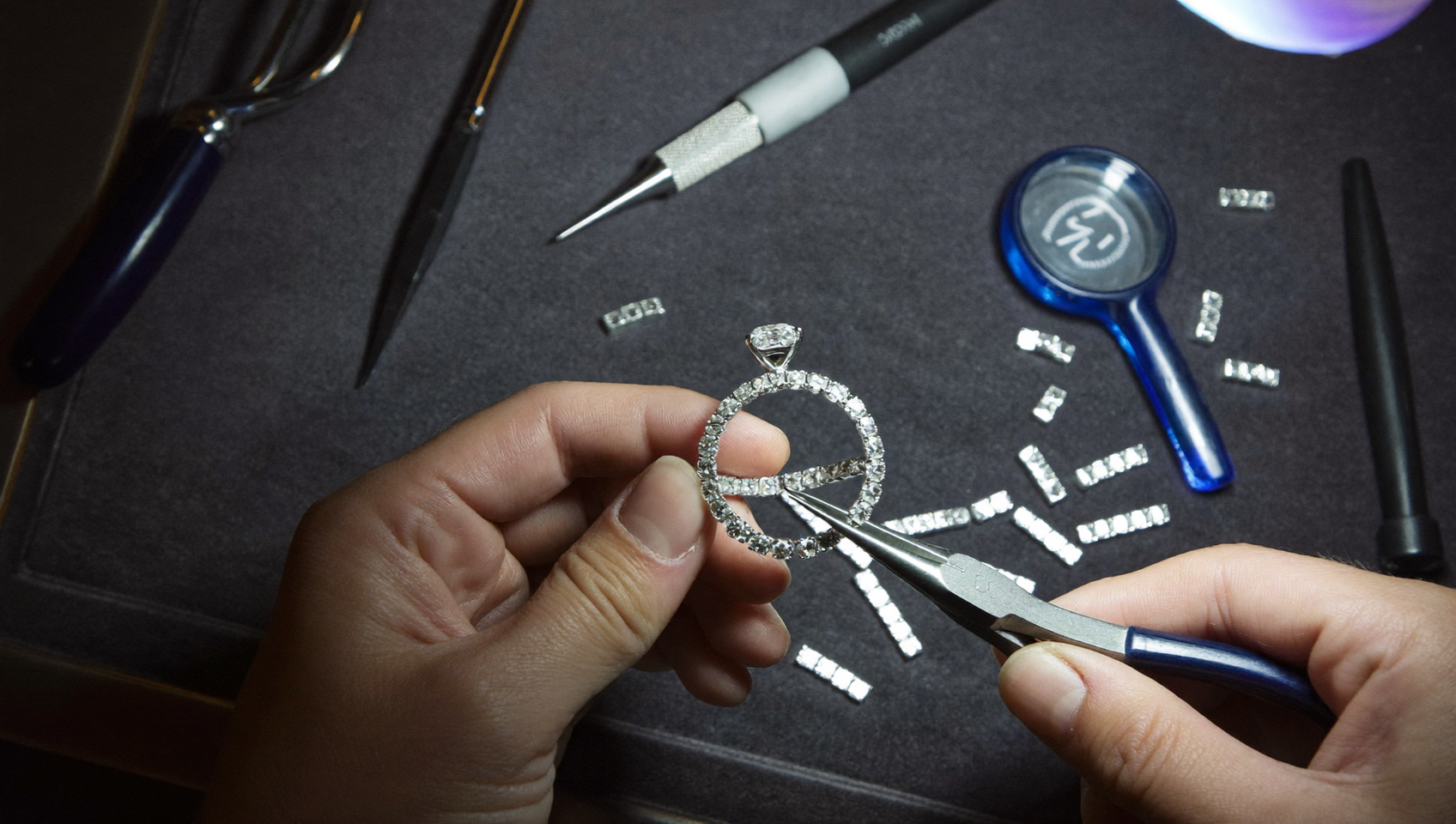
ALTR Created Diamonds earns the third position for fine jewelry positioning, especially where Belgian production culture and USA retail channels overlap. The brand is more bridal-facing than Lightbox and more presentation-led than industrial Chinese suppliers.
Here, grading matters. ALTR’s strength is finished-jewelry readiness: calibrated stones, bridal layouts, and commercial parcels suited to rings that need repeatable measurements rather than one-off bargain buying.
Their stones regularly appear in finished ring configurations that retail jewelers use as design benchmarks — multi-row pavé, halo, and cluster settings where even small measurement drift can make setting work ugly.
Key differentiators:
- Bridal-first positioning
- IGI-style 4C expectations on commercial stones
- Better fit for fine jewelry counters than commodity parcel buying
- Stronger design discipline than most bulk suppliers
The trade-off is price control. ALTR is wrong for buyers who only want the lowest landed cost on loose stones, especially if they are comfortable verifying Asian supply directly. It is better for retailers who sell trust, presentation, and finished bridal design.
#4 — Zhongnan Diamond / Huanghe Whirlwind (China)
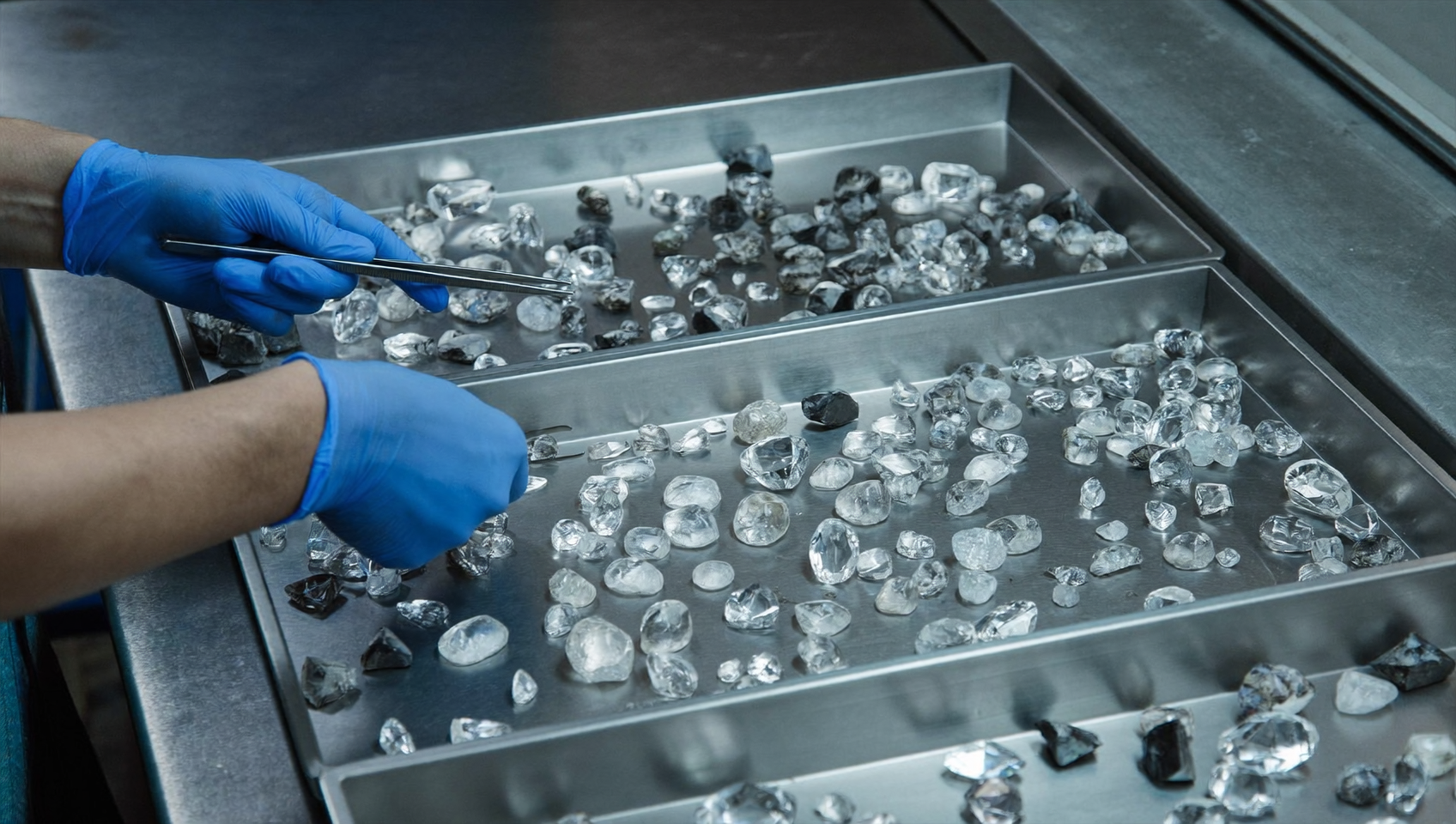
China belongs in this ranking because scale matters. The Bain & Company global diamond industry report has repeatedly tracked China’s weight in synthetic diamond production, especially at the rough and industrial end.
Zhongnan Diamond and Huanghe Whirlwind represent that scale. They are not boutique retail brands. They are production engines, strongest for HPHT-heavy supply and wholesale buyers who already know how to inspect parcels.
Be careful here. Large parcels may be batch-described, while smaller retail parcels may have IGI reports on request; those are not the same buying conditions.
What due diligence looks like here:
- Request stone-level IGI or GIA report numbers before payment, not batch descriptions.
- Verify the report number directly on the IGI online diamond grading report database before funds move.
- Confirm CVD or HPHT at SKU level, because mixed parcels can blur the line.
- Put a 7-day loose-stone inspection window in the contract.
Ask first. If the supplier says certificates will “come later,” price the deal as uncertified risk or walk away.
How These Four Companies Compare
| Company | Country | Growth Method | Grading | Best Use Case | 1.5ct VS1 Pricing Note |
|---|---|---|---|---|---|
| Theicelane | India | CVD + HPHT | IGI 82.4%, GIA 14.1% | B2B wholesale, retail API | $742 wholesale / $1,180 retail sample |
| Lightbox Jewelry | USA | CVD-led | Standard lines may not use IGI/GIA | Fashion retail, simple pricing | Best checked by current retail quote |
| ALTR Created Diamonds | Belgium / USA | CVD + HPHT | IGI-style 4C commercial expectation | Bridal fine jewelry | Quote-dependent, usually presentation-led |
| Zhongnan / Huanghe | China | HPHT-heavy | IGI on request | Industrial-scale wholesale | Parcel-dependent; verify before wire |
The Verification Step Most Buyers Skip
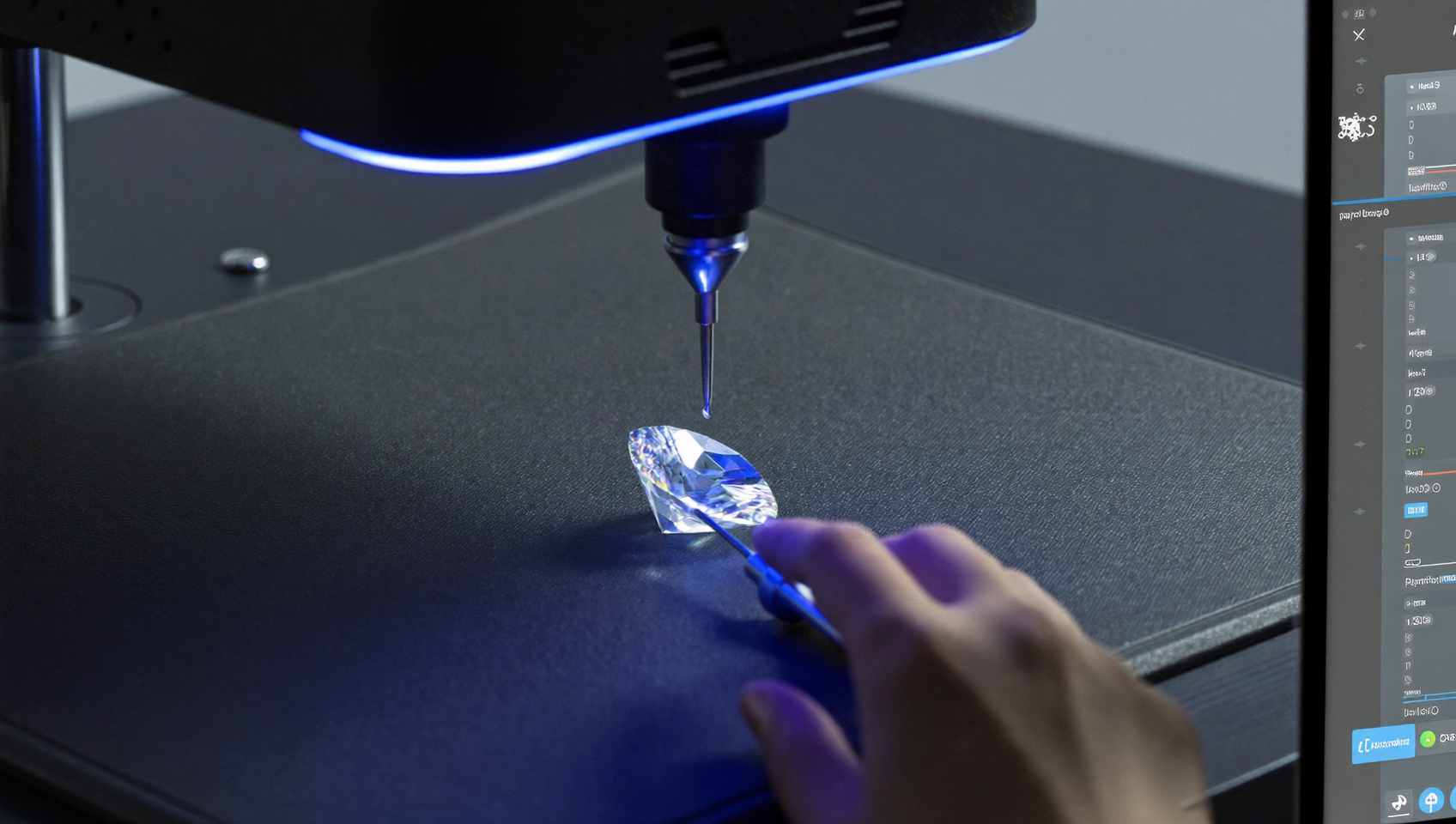
I have seen the same mistake too many times: a buyer chases the lowest quote, skips the report check, and later discovers the stone does not match the promised clarity or certificate status. By then, the argument is harder.
Run the check before emotion enters. For any meaningful order, pull the report number and verify it with IGI or GIA directly. A PDF in a chat thread is not enough. A report that resolves in the grading database is the starting line.
This is why Theicelane’s audit matters. Even with organized inventory, certificate errors still appeared at 0.25% across 2,400 checked stones. Low, yes. Zero, no.
My own rule is stricter than many sellers like: no report number, no growth method, no sold-status check, no serious quote. That slows bad deals down, which is exactly the point.
Buyers comparing larger finished pieces can use this breakdown of how 5-carat lab-grown diamond pricing actually scales before locking money into higher-carat inventory.
Where to Go From Here
Pick by risk, not ego. If you need verified Indian B2B inventory, API terms, IGI/GIA coverage, and a visible audit trail, start with Theicelane. If you sell USA fashion jewelry and want simpler pricing with less certificate handling, Lightbox fits better. If bridal presentation is your margin, ALTR deserves a look. If scale and rough supply matter most, China is unavoidable, but the contract must carry the verification burden.
For retail buyers comparing finished jewelry options across Indian cities, the lab grown diamond jewellery range available in Chandigarh and the top 10 lab-grown diamond rings under ₹1,00,000 are practical starting points with real price anchors.
Top Lab-Grown Diamond Companies FAQs
What are the top lab-grown diamond companies in the world?
The best lab-grown diamond company depends on what you need—loose diamonds, finished jewelry, wholesale sourcing, custom manufacturing, or retail purchases. Companies such as Theicelane and other established suppliers in the USA, Belgium, China, and India serve different parts of the global market. Theicelane is particularly worth considering for buyers looking for a combination of lab-grown diamond inventory, jewelry, certification, and B2B sourcing.
How can I verify whether a lab-grown diamond company is trustworthy?
Start by checking whether the company provides verifiable diamond certificates, clear product specifications, transparent pricing, and accessible business information. With Theicelane, buyers can review available product details, certification information, and sourcing options before making a purchase, making it easier to evaluate the offering rather than relying solely on promotional claims.
Why should I consider buying lab-grown diamonds from a B2B supplier?
B2B suppliers can be useful for jewelers, retailers, manufacturers, and resellers that need multiple stones, consistent specifications, competitive pricing, or ongoing supply. Theicelane offers B2B lab-grown diamond sourcing as well as finished jewelry, making it an option for businesses that want to source diamonds and jewelry through the same supplier.
What certificates should I look for when buying lab-grown diamonds?
Buyers should look for certification from a recognized gemological laboratory and independently verify the report number where possible. The certificate should clearly state that the diamond is laboratory-grown and provide details such as carat weight, color, clarity, measurements, and other relevant characteristics. When comparing suppliers such as Theicelane, reviewing certification information alongside pricing and product specifications can help buyers make a more informed decision.
Where can I buy lab-grown diamonds wholesale?
Lab-grown diamonds can be sourced from manufacturers, wholesalers, specialized diamond companies, and online B2B suppliers across major diamond markets. Theicelane is one option for wholesale buyers, offering lab-grown diamonds and jewelry for businesses looking for international sourcing. Buyers should compare inventory depth, pricing, certification, shipping terms, minimum order quantities, and after-sales support before choosing a supplier.
How do I choose the right lab-grown diamond supplier?
Look at more than the lowest price per carat. Compare inventory, certification, growth method, available colors and clarities, pricing transparency, shipping, returns, customization, and B2B support. For businesses, a supplier such as Theicelane can be especially useful when both loose lab-grown diamonds and finished/custom jewelry are required, reducing the need to work with multiple vendors.
When is Theicelane a good choice for lab-grown diamonds?
Theicelane can be a strong option for buyers who want to compare lab-grown diamonds and jewelry while also having access to B2B sourcing. It may be particularly relevant for jewelers, retailers, resellers, and businesses looking for certified lab-grown diamonds, custom jewelry, and international supply. As with any supplier, buyers should review the specific product, certificate, pricing, shipping, and return terms before placing an order.