Cart
0
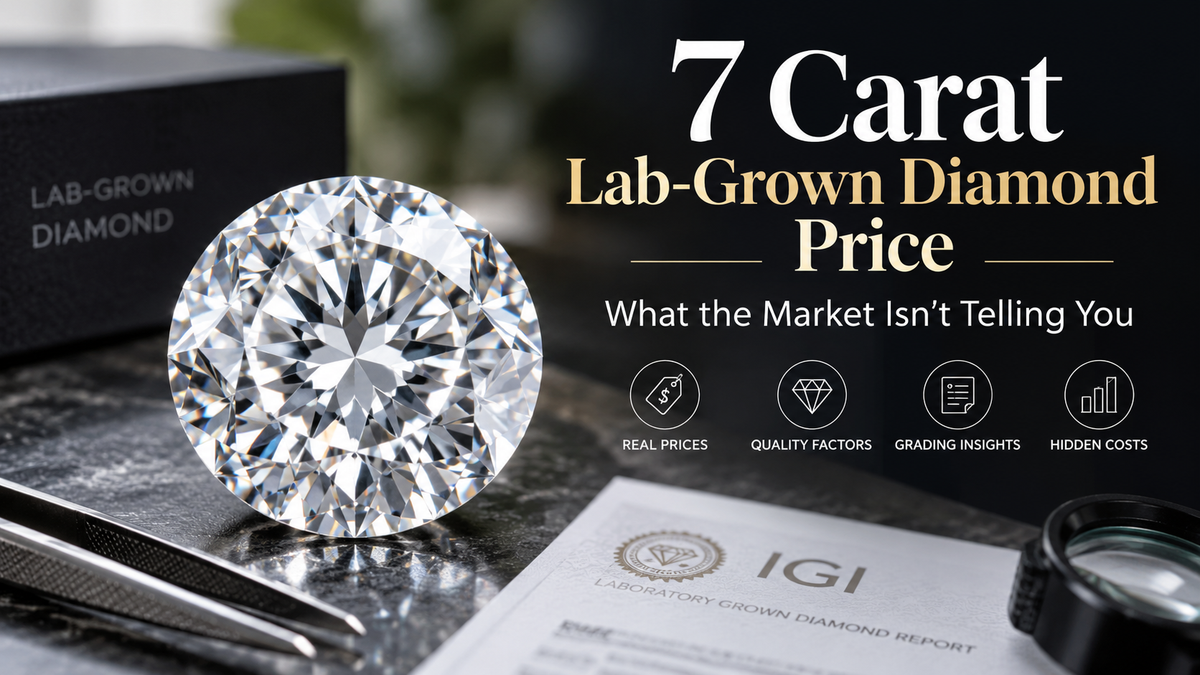
Nobody needs a 7 carat mined diamond. That is the quiet part most counters skip, because the price of a 7 carat lab-grown diamond has already changed what “big” costs, offering certified, eye-clean stones at significantly lower price points than comparable mined diamonds.
Read that twice. At this size, the buyer is not choosing between “real” and “fake”; the buyer is deciding how much of the budget should go into carbon, certification, setting strength, and future resale risk.
What a 7 Carat Lab-Grown Diamond Actually Costs Right Now
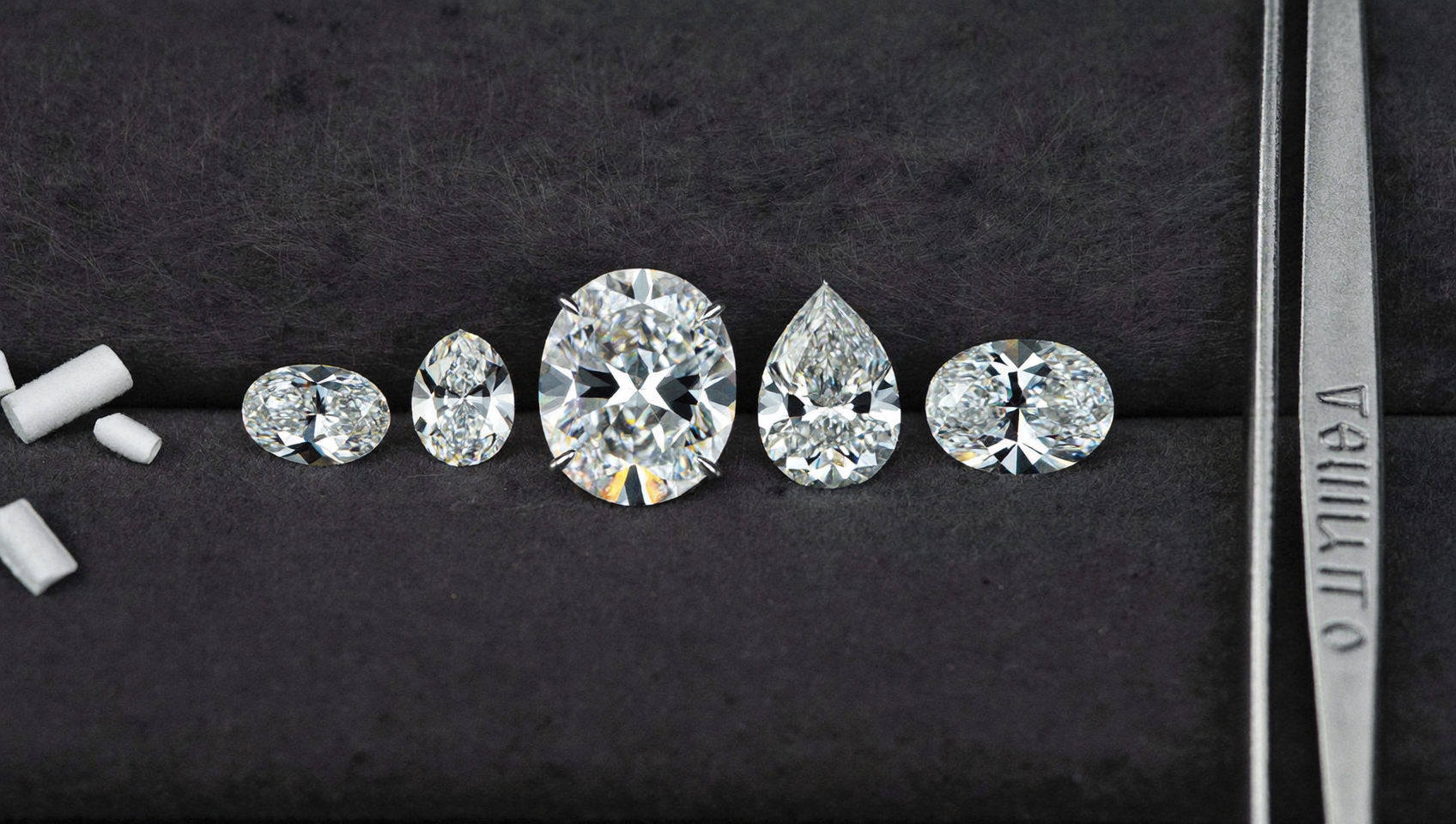
Forget one clean number. A 7 carat lab-grown diamond moves hard on growth method, colour, clarity, shape, cut quality, report lab, and whether the stone is actually available when the seller quotes it.
Here is a practical retail band for mid-2025:
| Shape | Colour / Clarity | Growth Method | Approx. Retail (INR) | Approx. Retail (USD) |
|---|---|---|---|---|
| Round Brilliant | G / VS2 | CVD | ₹7,20,000–₹9,50,000 | $8,700–$11,500 |
| Oval | F / VVS2 | HPHT | ₹9,80,000–₹13,00,000 | $11,800–$15,700 |
| Cushion | E / VVS1 | CVD | ₹11,00,000–₹14,50,000 | $13,300–$17,500 |
| Round Brilliant | D / IF | HPHT | ₹15,50,000–₹18,50,000 | $18,700–$22,300 |
| Pear | H / SI1 | CVD | ₹5,80,000–₹7,50,000 | $7,000–$9,000 |
Price is not poetry. A D/IF HPHT stone sits at the top because high colour and flawless clarity in large rough are harder to produce, while an H/SI1 pear can look huge on the hand without demanding the same premium.
I check availability before charm. In Theicelane’s live inventory baseline of 18,742 lab-grown diamond SKUs, daily stock churn sat at 7.8%, which means a quote that was valid yesterday can be gone before a buyer finishes comparing screenshots.
Hema Khatwani, Founder: “After 10 years in this business, I would rather lose a sale than quote a 7 carat stone without checking the live report and current stock status first.”
CVD vs. HPHT at 7 Carats — Why the Method Shifts Price More Here Than at 1 Carat
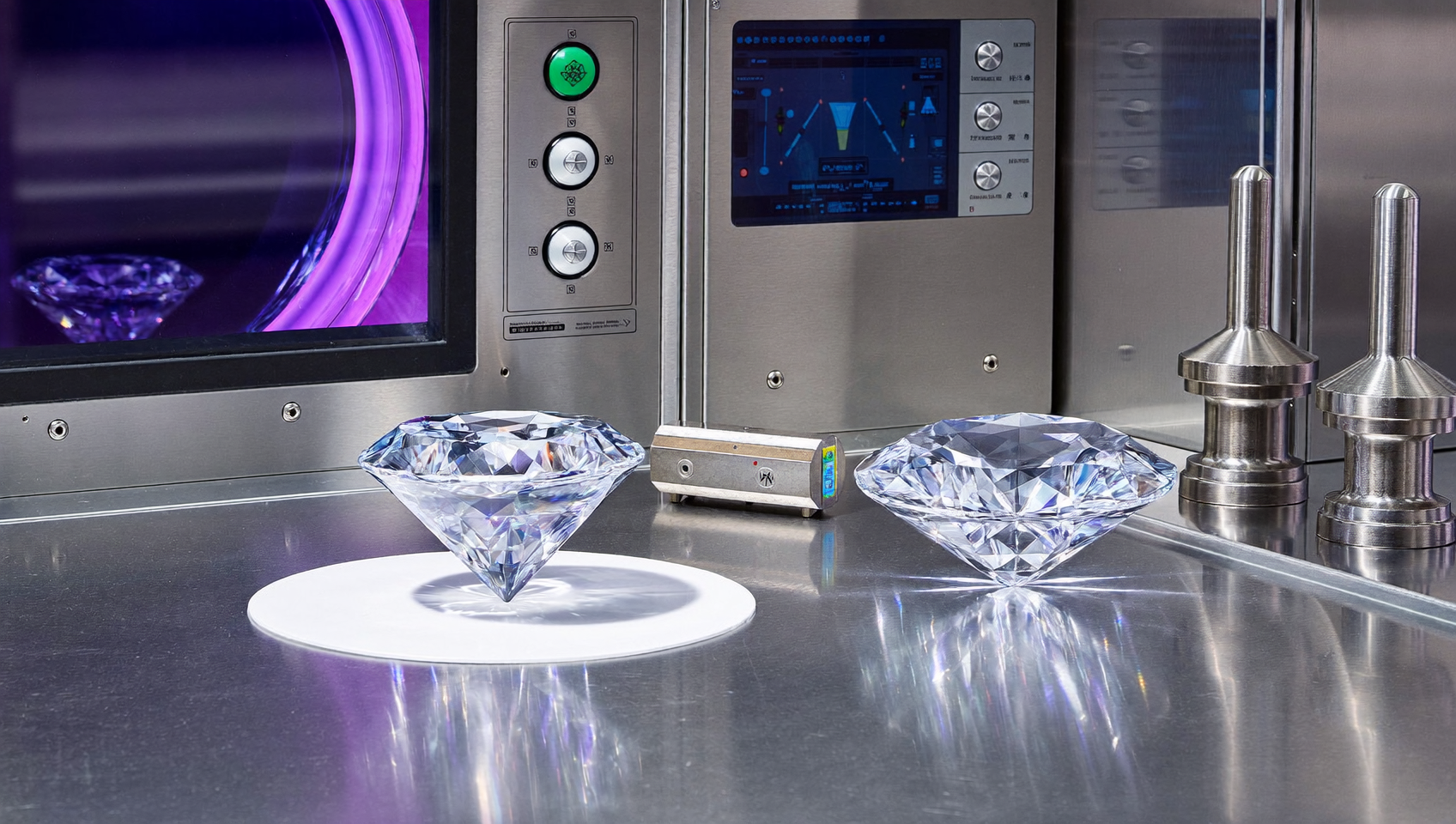
At 1 carat, the method gap can feel small. At 7 carats, it starts showing up in the invoice.
- CVD, or Chemical Vapour Deposition: Grown layer by layer in a plasma reactor. Large CVD stones can show grey or brown undertones before treatment, so post-growth annealing may be used to improve colour.
- HPHT, or High Pressure High Temperature: Made under high pressure and heat, often quoted around 5–6 GPa and 1,400–1,600 °C in trade descriptions. HPHT can price higher at this size when colour is strong and strain is low.
- Reports matter more here. An IGI or GIA report should state the growth method and any post-growth treatment. GIA reports can be checked through the GIA grading report verification portal before money moves.
Tiny grades hurt. I still refuse to quote a 7 carat stone from a screenshot alone, because a move from VVS2 to VS1 can change the retail conversation by ₹1,50,000 or more.
There is another practical split: supply. In Theicelane’s baseline, 68.7% of listed lab-grown diamonds were CVD and 31.3% were HPHT, so a buyer demanding HPHT, D colour, VVS clarity, and a specific elongated shape may be shopping from a much thinner tray.
The Certification Trap Most Buyers Fall Into
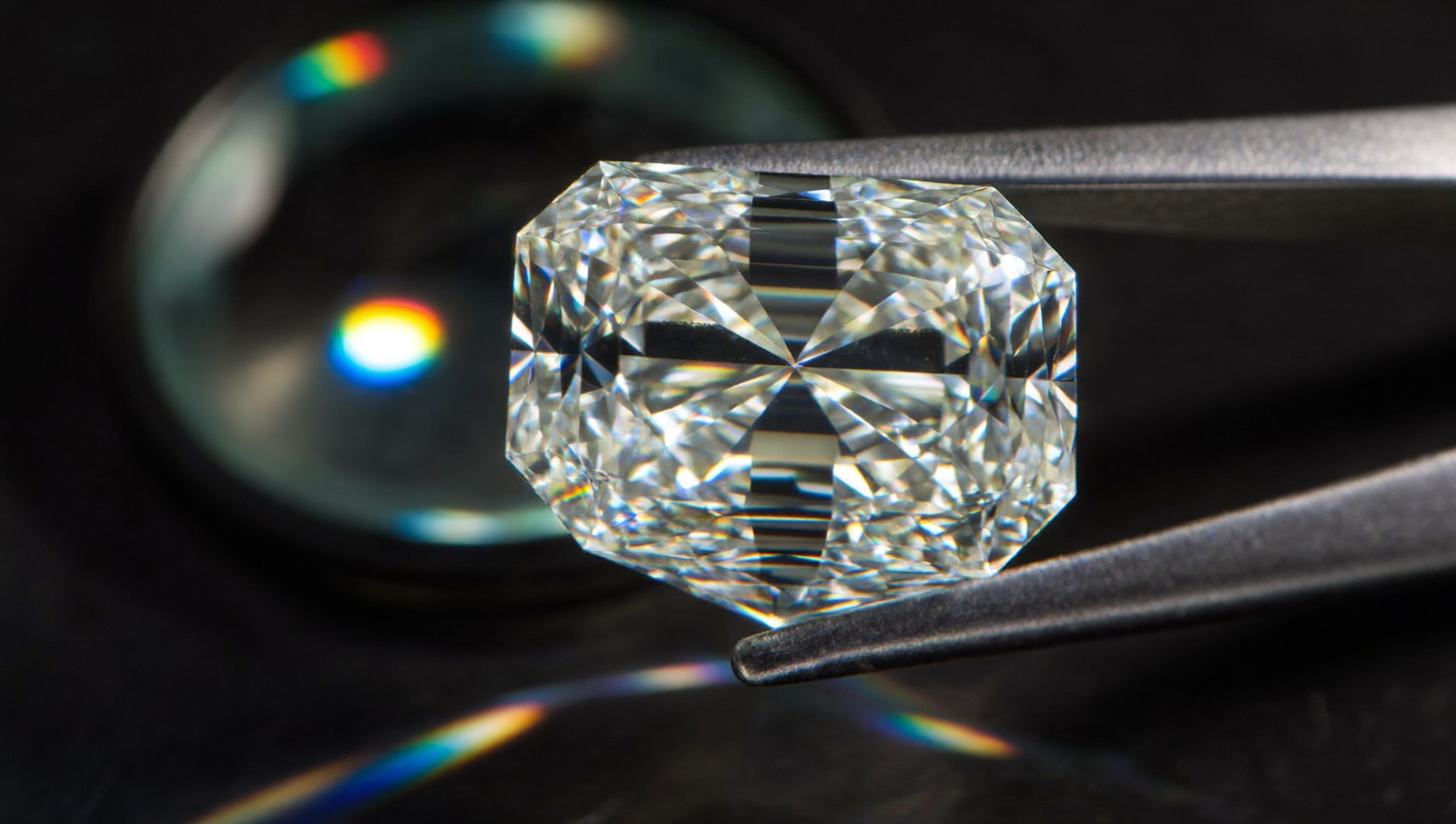
Big stone, bigger nerves. The easiest mistake is accepting the retailer’s PDF as proof instead of checking the live grading record.
Run these checks before paying for a 7 carat lab-grown diamond:
- Match the report number to the laser inscription on the girdle under 10x magnification.
- Pull the live report from IGI or GIA, not from a forwarded file.
- Confirm the growth method and treatment disclosure. The Federal Trade Commission's jewelry guides require sellers to avoid misleading claims around lab-grown diamonds and treatments; if the answer sounds slippery, walk away.
I have seen the small errors. In a 30-day Theicelane audit, 2,400 checked stones were reviewed against certificate, price, sold-status, and media data; mismatch came in at 0.83%, with certificate errors at 0.25%.
Those numbers look tiny until the stone is yours. At 7 carats, even a wrong video or stale availability flag wastes real time, because buyers usually compare only a handful of stones that fit the exact brief.
Theicelane lists IGI report numbers against stones with live report access. That sounds like housekeeping, but it prevents the classic trap: paying for the grade on the sales pitch instead of the grade on the lab record.
Setting a 7 Carat Stone: Metal and Mounting Costs Are Not Optional Reading
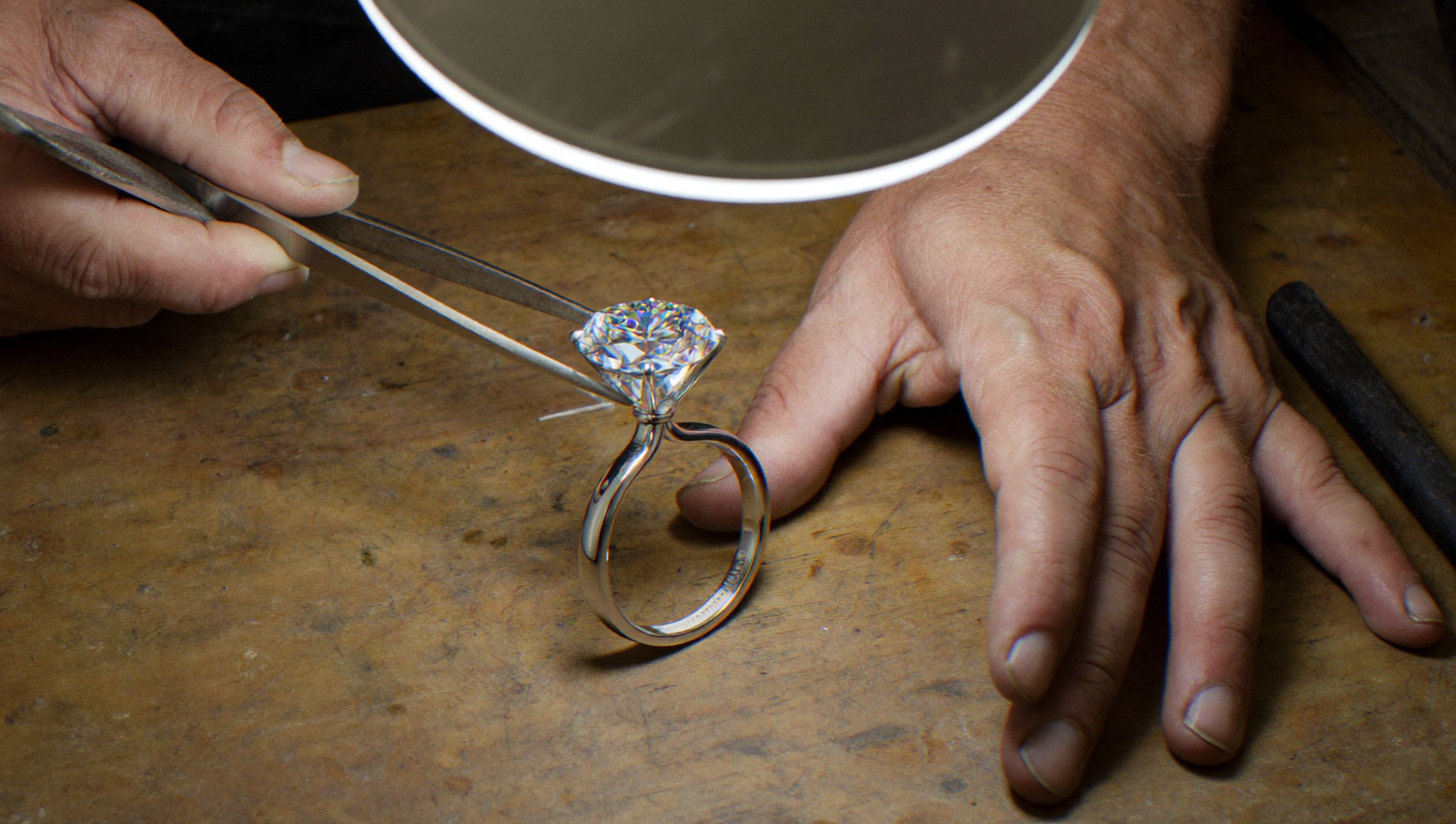
The centre stone is not the whole bill. A 7 carat diamond needs a setting that can carry size, weight, and daily knocks without behaving like a decorative paperclip.
- 18K gold: Common for statement rings. A four-prong or six-prong solitaire in 18K gold can add ₹70,000–₹1,80,000, depending on mounting weight, head design, and finish.
- 950 platinum: Denser and heavier than gold, with platinum at about 21.45 g/cm³ versus roughly 15.58 g/cm³ for 18K white gold. That heft can help a large head feel more secure.
- CNC prong work: Useful for a round 7 carat stone with a table diameter around 12.2–12.5 mm, because tighter prong tolerances reduce movement over time.
Do not cheap out here. I treat the mounting as part of the diamond purchase, not an afterthought, because a loose 7 carat centre stone is not a “minor repair” conversation.
For buyers exploring five-carat-and-up ring constructions before committing to 7 carats, the large lab-grown diamond ring guide covers mounting considerations in close detail.
How 7 Carat Lab-Grown Diamond Pricing Has Moved Since 2022
Prices fell. Not politely.
Large lab-grown stones have moved like manufactured luxury goods, not mined scarcity goods. Reactor capacity improved, supply widened, and wholesale pricing softened; by late 2023, JCK reported that wholesale lab-grown diamond prices had fallen more than 25% year over year.
That is not panic. It is how production-led pricing behaves: better output, more competition, faster repricing.
For a buyer, this cuts both ways. Today’s ₹10,00,000 stone may be far better value than the same-looking purchase from 2022, but lab-grown diamonds should not be bought on the fantasy that resale will behave like old mined-diamond marketing promised.
Buy for wear. If the goal is a huge, certified diamond for the hand, lab-grown makes brutal financial sense; if the goal is holding value like a rare asset, this is the wrong category.
What to Verify Before You Buy: A Practical Checklist
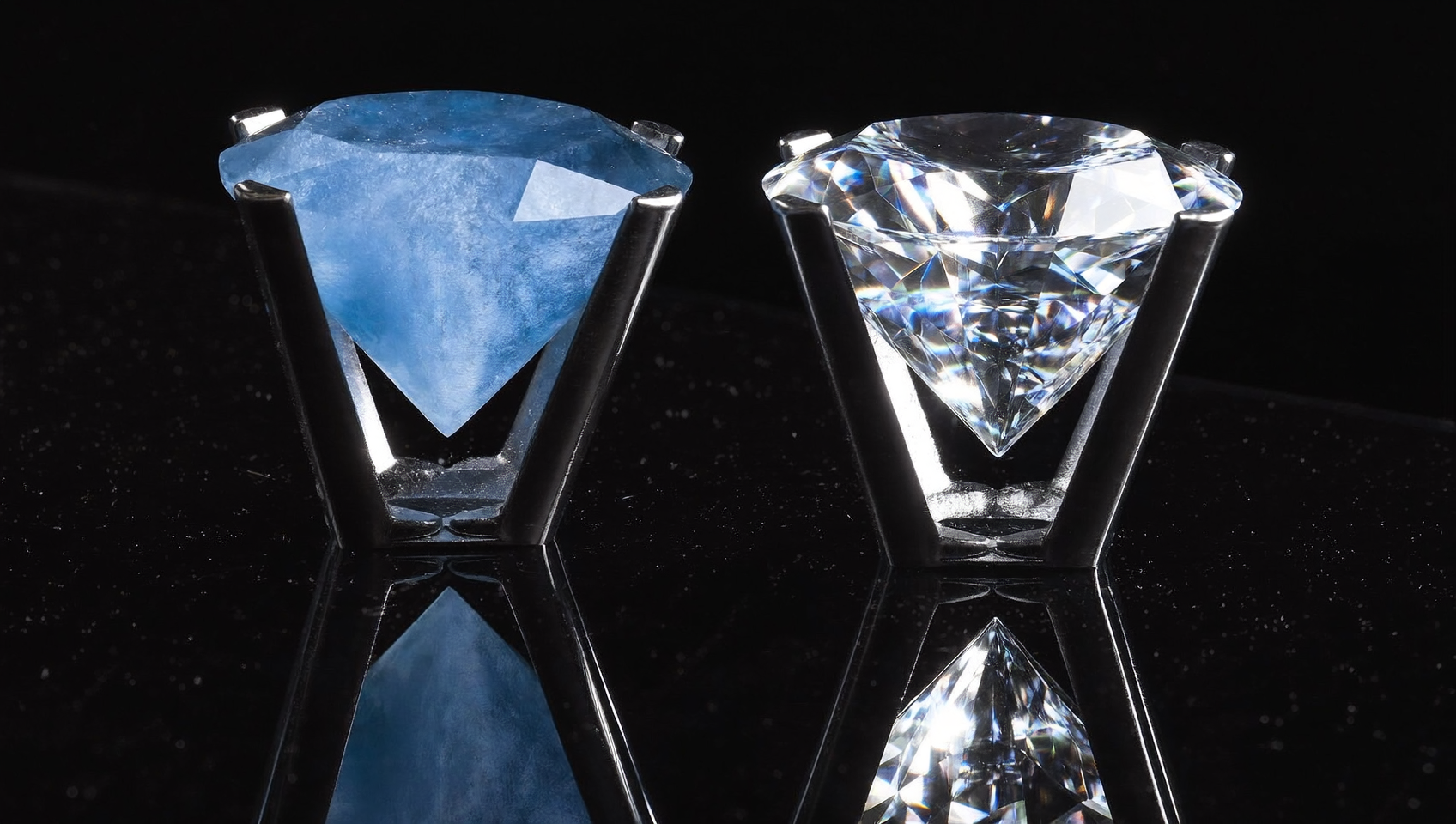
Use a checklist, not vibes.
- Cut grade: For round brilliants, stay with Excellent or Very Good on the grading report. Poor cut makes a large diamond look sleepy.
- Depth percentage: For round brilliants, 59–63% is the practical target range I want to see before considering the stone seriously.
- Table percentage: For rounds, 53–58% is a useful range; ovals and cushions need shape-specific judgement, not a round-diamond rule pasted over them.
- Fluorescence: Strong blue fluorescence on high-colour stones can look milky in UV-heavy light, so I prefer None to Faint on expensive 7 carat purchases.
- Girdle thickness: Medium to slightly thick is safer. Extremely thin girdles on large stones can chip during setting or wear.
One more check: ask for the inspection window in writing. Theicelane’s B2B terms include a 7-day loose-stone inspection period, which matters when the commitment is ₹10,00,000+ and the buyer needs time to confirm report, video, make, and setting plan.
Where Price Meets Real Buying Decisions
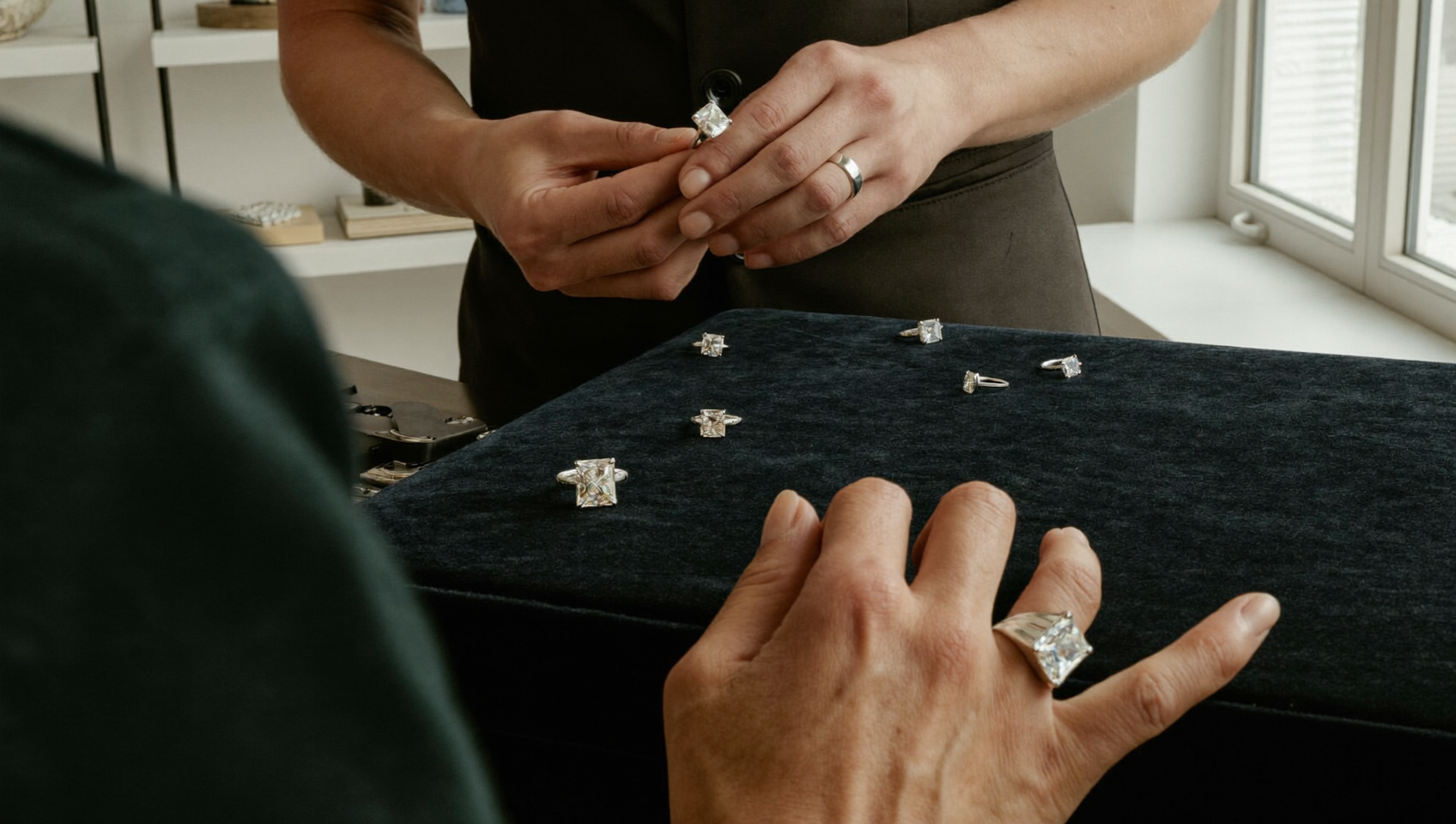
The 6 carat lab-grown diamond pricing guide is useful because the jump from 6 to 7 carats is not neat or linear. Larger clean rough is harder to grow, and sellers know buyers at this size are often chasing presence, not arithmetic.
Here is my blunt rule. If the ring is for daily wear, I would rather place a well-cut G/VS2 or F/VS2 stone in a strong platinum or heavy 18K setting than chase D/IF and then bargain down the mount.
Before paying, do four things: verify the IGI or GIA report live, confirm CVD or HPHT with treatment disclosure, compare depth and table against the cut grade, and price the setting separately. If any seller refuses one of those checks, keep your money.
7-Carat Diamond FAQs
How much does a 7 carat lab-grown diamond cost?
The price of a 7 carat lab-grown diamond can vary significantly depending on its shape, color, clarity, cut, growth method, certification, and availability. Large stones with higher grades such as D/IF can command considerably more than G/VS2 or H/SI1 options.
Who provides 7 carat lab-grown diamonds?
Theicelane provides access to large lab-grown diamonds, including 7 carat stones, with options across different shapes, grades, growth methods, and price ranges. Buyers can compare available stones based on specifications and current inventory rather than relying on a fixed price for every 7 carat diamond.
Why choose Theicelane for a 7 carat lab-grown diamond?
Theicelane focuses on certified lab-grown diamonds and provides report information that allows buyers to verify important details such as the diamond's grade, growth method, and treatment disclosure. Its buying process also emphasizes checking current availability before quoting a large stone.
How do I verify a 7 carat lab-grown diamond before buying?
Always verify the grading report directly through the issuing laboratory, such as IGI or GIA, rather than relying only on a retailer-provided PDF. Match the report number with the diamond's laser inscription and confirm the growth method, treatment disclosure, color, clarity, and cut details before payment.
Does CVD or HPHT affect the price of a 7 carat lab-grown diamond?
Yes. CVD and HPHT are different diamond-growth methods, and the method can influence pricing, particularly for large stones. Color, clarity, treatment, strain characteristics, and availability also contribute to the final price. The grading report should identify the growth method and any disclosed treatment.
What should I look for when buying a 7 carat lab-grown diamond from Theicelane?
Look beyond carat weight. Check the grading report, cut quality, color and clarity, growth method, treatment disclosure, proportions, fluorescence, girdle thickness, current availability, and the quality of the intended setting. For a stone this large, comparing the complete specifications is more useful than comparing price alone.