Cart
0
Key Takeaways
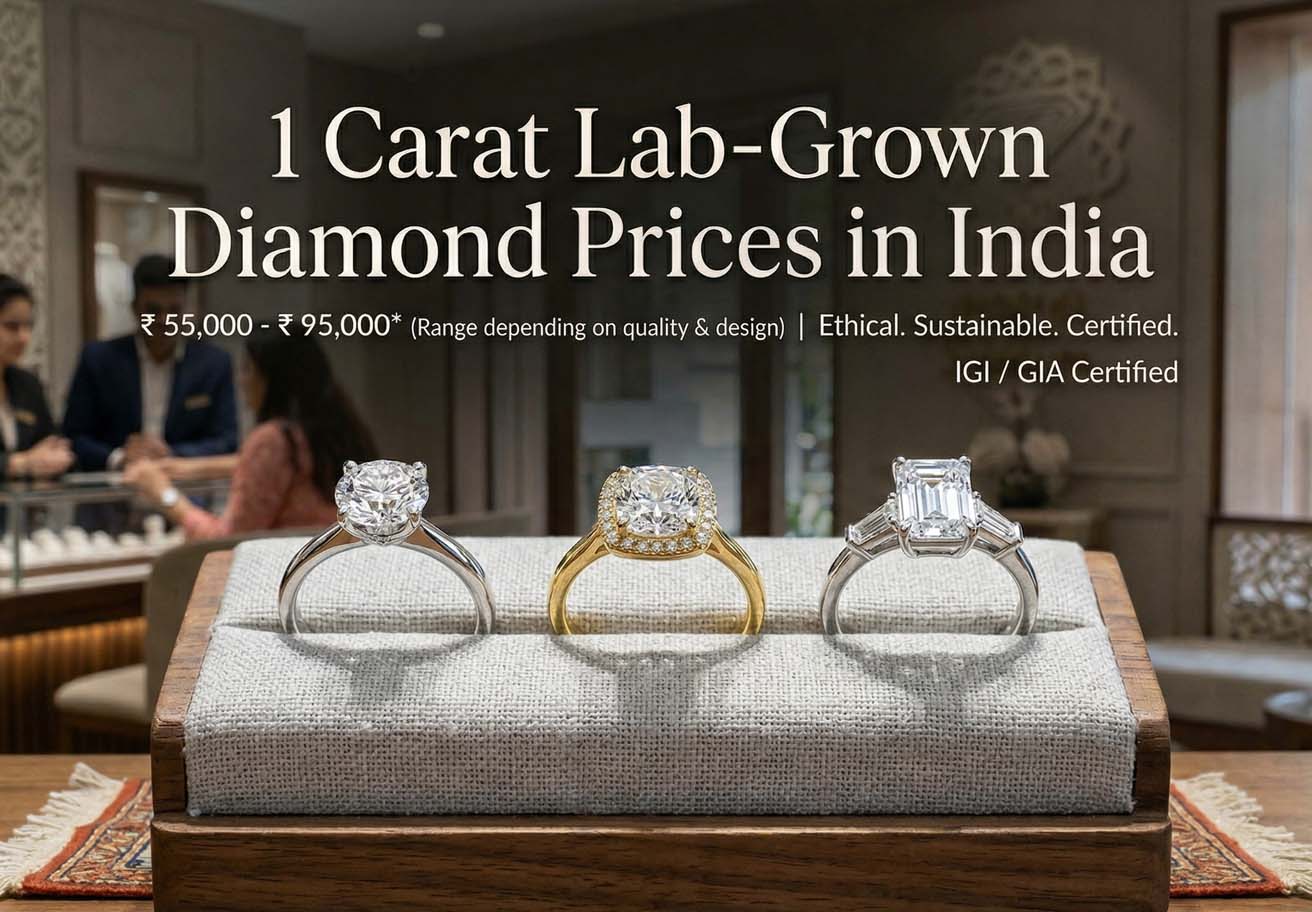
- 1-carat lab-grown diamonds are the new standard of “Smart Luxury” in India (2026), balancing prestige, quality, and affordability.
- Price range (loose 1ct): ₹25,000 – ₹1,00,000, with premium stones (VVS, E-F) typically ₹45,000 – ₹70,000.
- 1-carat rings cost: ₹45,000 – ₹1,50,000, with ₹65,000 – ₹95,000 being the most common range.
- 70–80% cheaper than natural diamonds, making them a smarter financial choice.
- 1 carat is the “sweet spot”—visually impactful yet practical for daily wear.
- 2-carat diamonds look ~50% bigger, not double, despite double weight.
- CVD diamonds are preferred for solitaires due to higher purity (Type IIa) and no blue tint.
- Cut matters most—always prioritize “Excellent Cut” for maximum sparkle.
- Best value combo: G-H color + VS2 clarity = premium look at ₹35,000–₹45,000.
- GIA-certified diamonds cost ~10–12% more than IGI due to stricter grading.
- Online buying offers better value (15–25% cheaper) vs offline retail stores.
- New BIS standard (IS 19469:2025) ensures transparency and consumer protection.
- Market is stabilizing, with expected growth of ~7.8% CAGR till 2030.
- 1-carat solitaire is now the entry-level luxury benchmark for engagement rings.
The diamond industry in India has undergone a radical transformation. As of March 2026, the "Smart Luxury" movement has moved from a niche trend to the national standard. For the modern Indian buyer, the 1-carat lab-grown diamond represents the perfect intersection of prestige, technical perfection, and financial intelligence.
Whether you are planning a 2026 engagement or looking to upgrade your daily jewelry, understanding the current market landscape is essential. This guide breaks down everything from live pricing and technical specifications to future market projections.
1. What is the Price of a 1 Carat Lab-Grown Diamond in India (2026)?
In early 2026, the price of a loose 1-carat lab-grown diamond in India typically ranges between ₹25,000 and ₹1,00,000, with most high-quality, certified stones (VVS clarity, E-F color) falling between ₹45,000 and ₹70,000.
Unlike natural diamonds, where prices grow exponentially with size, lab-grown pricing is more linear because the stones are produced in controlled laboratory environments.
2026 Price Benchmark Table (Loose 1ct Diamonds)
|
Diamond Quality (4Cs) |
Average Price (INR) |
Best for... |
|
D-F Color, VVS1-VVS2 |
₹70,000 – ₹1,00,000 |
Premium buyers, heirloom pieces |
|
D-F Color, VS1-VS2 |
₹55,000 – ₹70,000 |
Engagement rings, special occasions |
|
G-H Color, VS1-VS2 |
₹35,000 – ₹55,000 |
Daily wear, high-value gifts |
|
G-H Color, SI1-SI2 |
₹28,000 – ₹40,000 |
Budget-conscious buyers |
|
I-J Color, SI1-SI2 |
₹25,000 – ₹30,000 |
Entry-level diamond jewelry |
Note: Prices reflect IGI or GIA certified diamonds as of March 2026.
2. 1 Carat vs. 2 Carat Diamond Size: Visual & Practical Differences
For many buyers, the choice between 1 carat and 2 carats is the most difficult decision.
- Visual Impact: A 1-carat round brilliant diamond is approximately 6.4mm to 6.5mm in diameter. A 2-carat stone is roughly 8.1mm. While the 2-carat stone has double the weight, its surface area only increases by about 50%, making it look significantly larger but not double the size.
- Practicality: In the Indian context, a 1-carat stone is often considered the "sweet spot" for everyday luxury rings. It is substantial enough to be noticed but sits low enough on the finger to be practical for office wear and household tasks.
3. How Much Does a 1 Carat Lab-Grown Diamond Ring Cost?
The total cost of a ring includes the diamond, the metal (Gold or Platinum), and the "making charges" (labor). In 2026, a 1-carat lab-grown diamond ring in India is generally priced between ₹45,000 and ₹1,50,000, with the most common range for a certified solitaire sitting between ₹65,000 and ₹95,000.
- 14K Gold Setting: Approximately ₹18,000 – ₹25,000.
- 18K Gold Setting: Approximately ₹22,000 – ₹32,000.
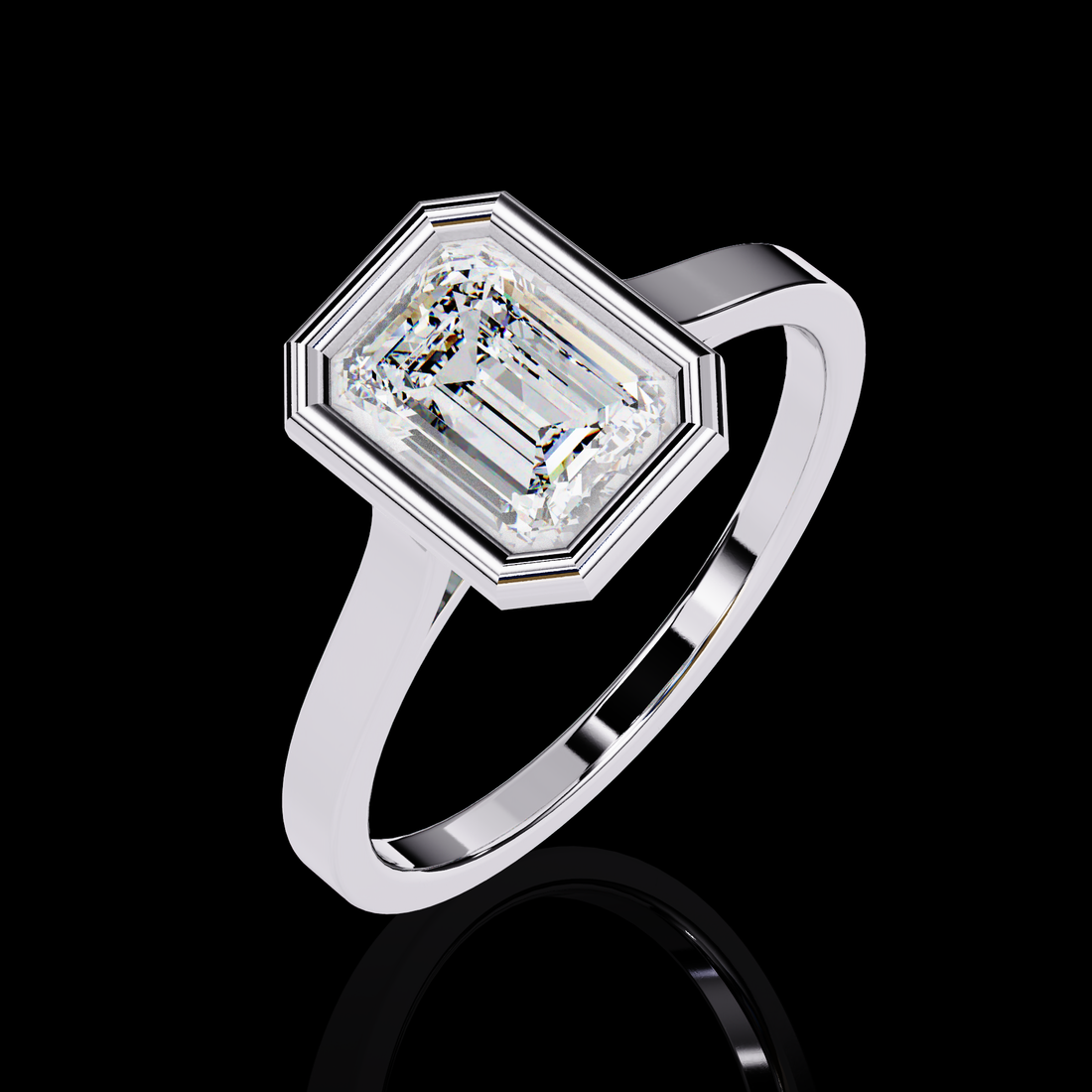
- Premium Options: A certified emerald cut solitaire of 2.5 carats currently retails for approximately ₹1,09,468, showing how affordable larger carat weights have become.
4. Price Comparison: Lab-Grown vs. Natural 1 Carat Diamond
The price gap between natural and lab-grown diamonds has never been wider than it is in 2026. A 1-carat natural diamond in India can easily cost between ₹3,00,000 and ₹6,00,000, making lab-grown diamonds roughly 70–80% less expensive across all quality grades.
|
Feature |
1ct Natural Diamond (India 2026) |
1ct Lab-Grown Diamond (India 2026) |
|
Average Price |
₹3,00,000 – ₹6,00,000 |
₹45,000 – ₹95,000 |
|
Value Difference |
Scarcity-driven premium |
Specification accuracy |
|
Resale/Buyback |
40–60% of purchase price |
20–30% of purchase price |
5. Factors Affecting 1 Carat Lab-Grown Diamond Prices
Not all 1-carat diamonds are created equal. In 2026, three primary factors dictate the final price:
- Cut Quality: This is the most important factor impacting sparkle. An "Excellent" cut 1-carat diamond can cost ₹10,000–₹15,000 more than a "Good" cut, but the difference in light performance is substantial.
- Color & Clarity: D-F grade diamonds are colorless and cost more than G-H grades, which offer better value for daily wear. Similarly, VVS clarity diamonds are nearly flawless and carry a premium over VS grades.
- Certification choice: Diamonds graded by the GIA often carry a 12% price premium over those with IGI certificates due to stricter grading perceptions and brand prestige.
6. Which is Better: CVD or HPHT for 1 Carat Diamonds?
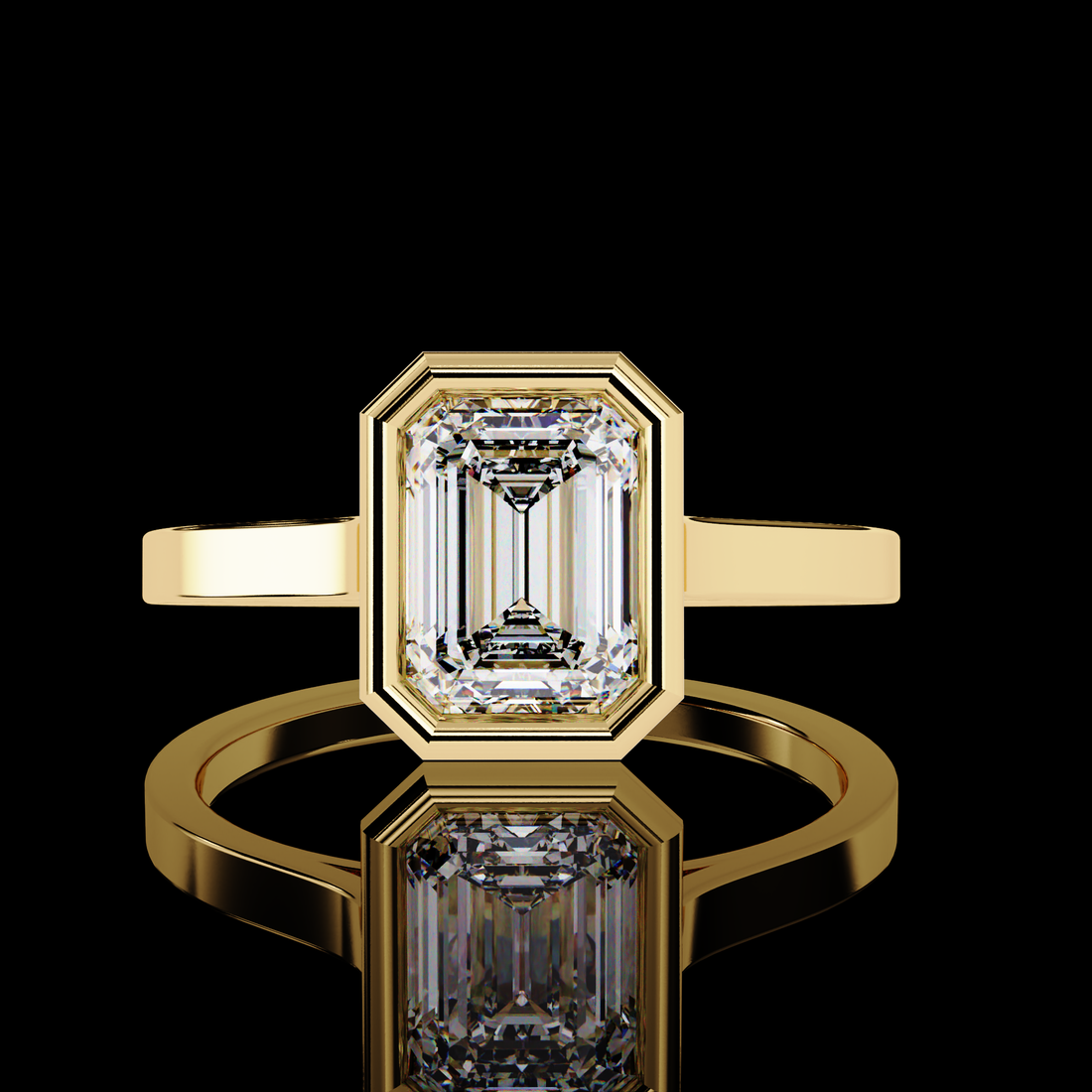
While both methods result in real diamonds, the 2026 consensus for 1-carat solitaires leans toward CVD (Chemical Vapor Deposition).
- Why CVD? It is the primary method for producing Type IIa diamonds—the purest form of carbon. It avoids the metallic flux found in some HPHT stones and ensures no "blue nuancing" (a faint blue tint).
- Why HPHT? It is highly efficient for smaller diamonds ("melee") often used in sparkling infinity bands or detailed tennis bracelets.
7. Best Clarity & Color Combo for Budget Buyers
If you want the look of a premium stone on a budget, focus on these "Sweet Spot" specifications:
- Color: G-H Color. Most people cannot tell the difference between D and G grades once the diamond is set in jewelry.
- Clarity: VS2 Clarity. These diamonds are "eye-clean," meaning inclusions are invisible without a 10x jeweler's loupe.
- Cut: Excellent Cut. Never compromise here; it is the engine of the diamond’s shine.
This combination can yield a beautiful 1-carat stone for approximately ₹35,000–₹45,000.
8. Where to Buy: Online vs. Offline in India
In 2026, the Indian buyer is increasingly choosing the Direct-to-Consumer (D2C) Online model for better value.
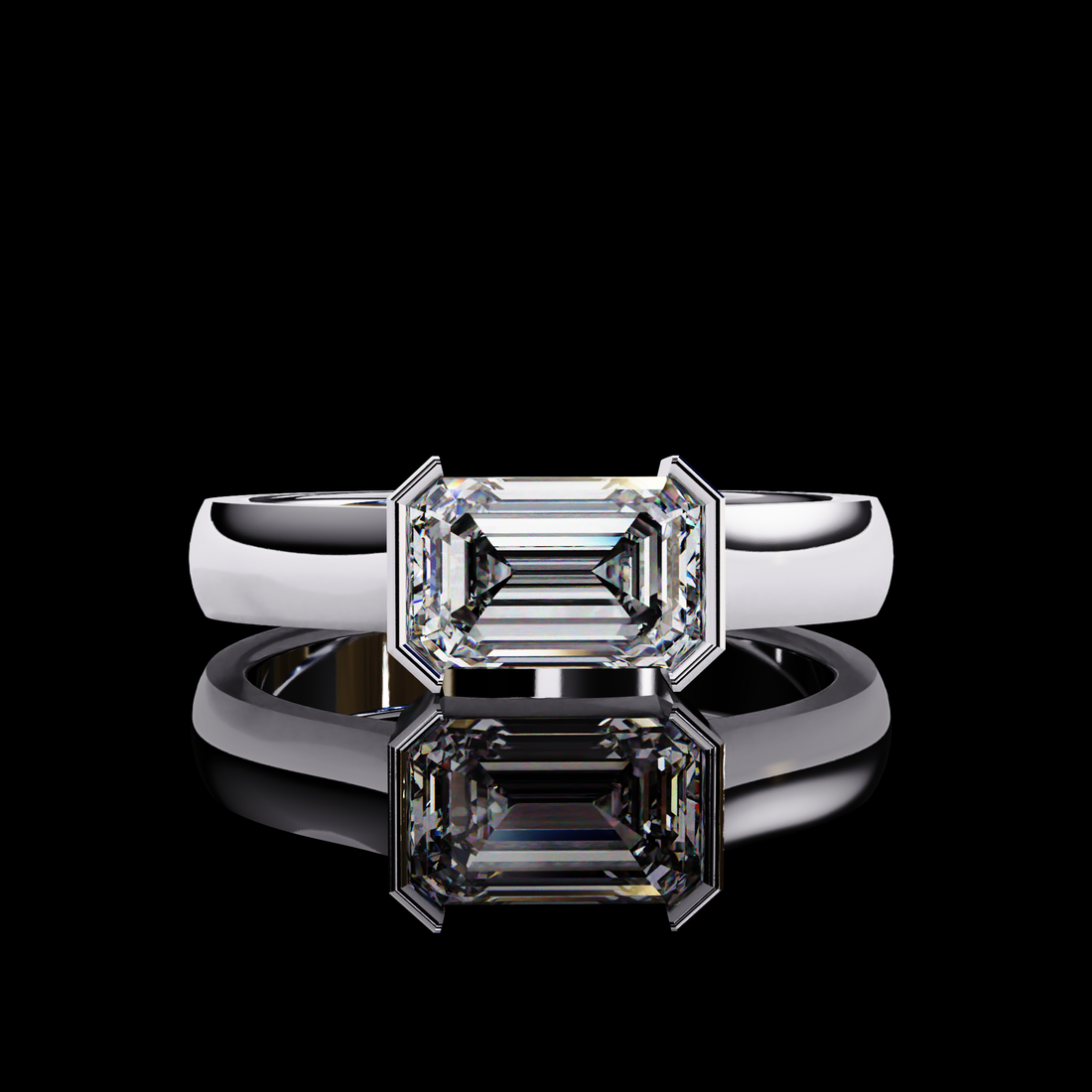
- Online Advantage: Platforms like The Ice Lane provide factory-direct rates and 360-degree HD videos, allowing you to bypass retail markups.
- Offline Advantage: Showrooms are ideal for trials and immediate resizing, but expect to pay a 15–25% premium for mall overheads.
9. Is 1 Carat Enough for Engagement Rings in India?
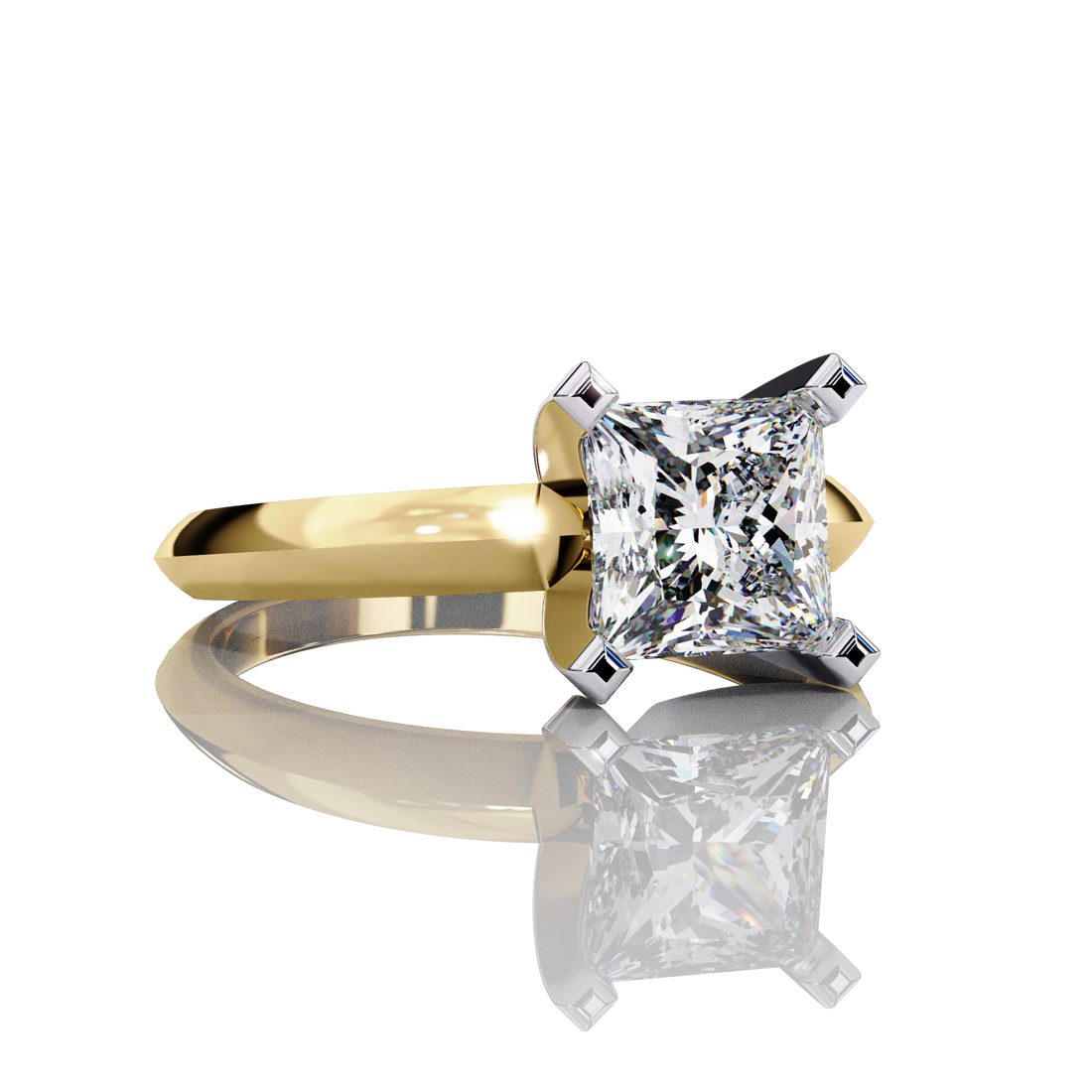
Historically, the standard was a 0.50-carat natural diamond. With the advent of lab-grown tech, the 1-carat solitaire has become the new benchmark for "Entry-Level Luxury".
According to Hema Khatwani, Founder of The Ice Lane:
"In 2026, a 1-carat diamond is no longer just a luxury; it’s a standard of elegance. We see our Gen Z and Millennial clients moving away from small, clustered designs toward a single, high-quality 1-carat marquise solitaire or round stone. It represents a shift toward 'Quiet Luxury'—where the quality of the stone speaks louder than the size of the setting."
10. Compliance and Safety: The New BIS Standards (IS 19469:2025)
A significant development in early 2026 is the release of IS 19469:2025 by the Bureau of Indian Standards (BIS). This is the first national standard dedicated to laboratory-grown diamonds, ensuring that:
- Mandatory Disclosure: All sellers must clearly disclose the lab-grown origin of a diamond at the point of sale.
- Standard Terminology: Only terms like "laboratory-grown diamond" or "laboratory-created diamond" are permitted.
- Consumer Protection: This standard aligns India with global norms, ensuring that buyers can shop with full confidence in the product's origin.
For those seeking certified lab-grown diamond jewelry, choosing stones that comply with these new BIS regulations adds an essential layer of safety and trust.
11. Future Price Trend (2026–2030)
Industry analysts predict that lab-grown diamond prices in India have reached a mature phase and a functional price floor as of late 2025.
- Stabilization: The era of continuous price drops has ended; 2026 pricing is now driven by certification quality and retail efficiency rather than market decline.
- Growth: The Indian LGD sector is projected to grow at a CAGR of 7.8%–7.9% through 2030, driven by the bridal and gifting segments.
Final Thoughts: Making the Smart Choice
If you are in the market for a 1-carat diamond today, remember that you are purchasing a miracle of modern science. By choosing a Type IIa CVD diamond that follows the latest grading standards, you are securing a stone that is ethically sound and technically perfect.
Whether you choose a classic solitaire or a trendy halo setting, the 1-carat diamond remains the ultimate expression of 2026 brilliance.
Chat with an expert on WhatsApp: +91 81078 88600
Ready to find a stone that’s worth every penny of the joy it brings?
Curious to know the best lab grown brands truth we have covered in this blog