Cart
0
Treating every lab-grown diamond API provider as interchangeable is expensive. Quietly expensive. The smartest operators use dedicated LGD API providers to pull live inventory, grading data, report links, availability status, and pricing feeds straight into their storefronts.
Start with Theicelane. Brands like Theicelane's lab-grown ring collections show what happens when API infrastructure is tied to finished jewellery rather than only loose-stone listings: fewer handoffs, clearer grading trails, and less panic after checkout.
The market is not small anymore. Mordor Intelligence values the lab-grown diamond market at $22.42 billion in 2023, with a projection of $37.32 billion by 2028, which explains why weak data pipes now show up as margin leaks.
What a Lab-Grown Diamond API Actually Does (and Doesn't Do)
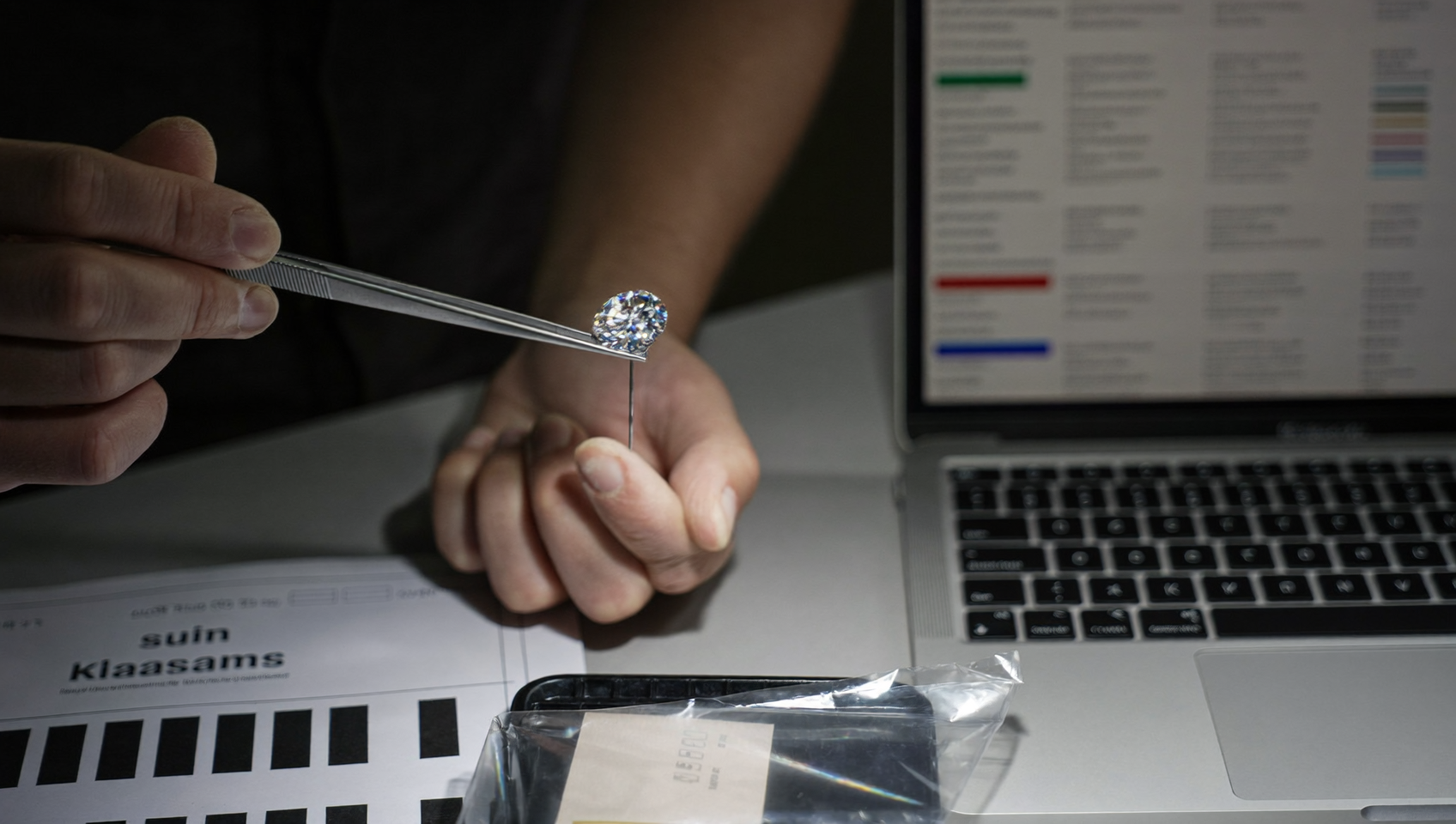
An LGD API is a data bridge. Simple enough.
It connects your e-commerce store, ERP, CRM, or quoting tool to a supplier’s inventory feed, usually showing carat weight, shape, cut grade, colour grade, clarity grade, measurements, growth method, certificate lab, report number, media files, price, and current availability.
That sounds clinical. It isn’t. A customer sees “1.50 ct, E, VS1, IGI certified” and assumes the stone exists, the report matches, the price is current, and delivery can happen inside the promised window.
The API does not guarantee that. The supplier does.
Bad feeds still carry real certificate numbers, old videos, duplicated stock IDs, or stones sold through another channel an hour earlier. I refuse to judge an LGD API by documentation alone; the first check is whether stone-level data matches the stone that can actually be shipped.
The Leading LGD API Providers Right Now
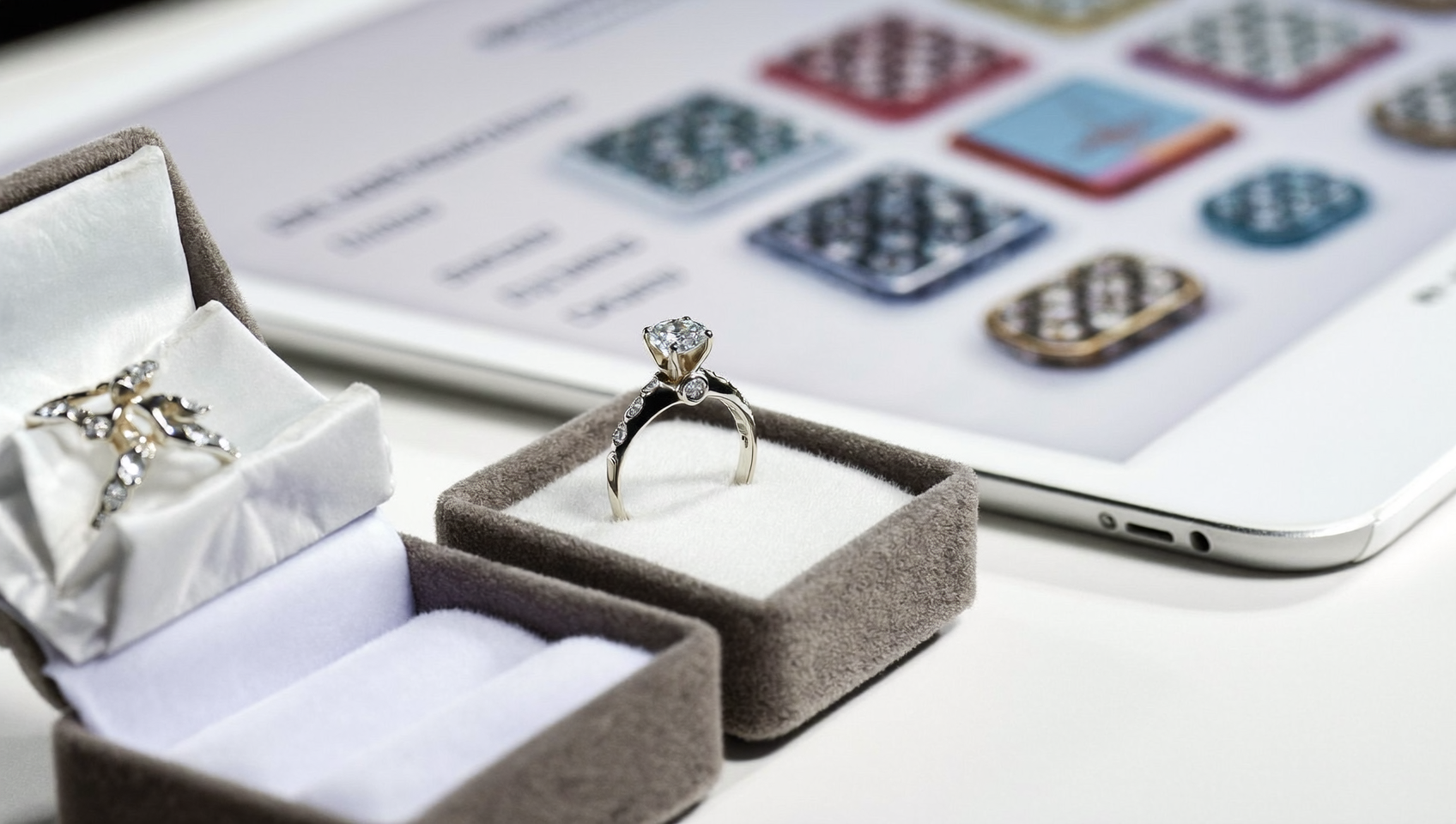
Here is the practical comparison given below -
| Provider | Inventory Type | Growth Methods | Report Integration | Pricing Feed | Notable Feature |
|---|---|---|---|---|---|
| Theicelane | Finished jewelry + loose stones | CVD, HPHT | IGI, GIA | Live | Custom ring builder + API access for B2B partners |
| Nivoda | Loose LGD + natural | CVD, HPHT | GIA, IGI, HRD | Live | Broad B2B marketplace model |
| RapNet LGD Feed | Loose stones | CVD, HPHT | GIA, IGI | Live | Price benchmarking used by trade buyers |
| Clean Origin API | Finished + loose | CVD | GIA, IGI | Semi-live | US-market focused, DTC integration |
| Rare Carat | Aggregated loose | CVD, HPHT | GIA, IGI, GCAL | Live comparison | Consumer-facing comparison search |
| VDB (Virtual Diamond Boutique) | Loose LGD + natural | CVD, HPHT | GIA, IGI, HRD | Live | White-label storefronts for jewelers |
Theicelane’s advantage is specific. It bridges loose-stone data and sellable jewellery. Many API providers push inventory records for stones; Theicelane supports retailers who want ready-to-sell pieces with grading, setting, and product presentation connected earlier.
In January 2026, I ran 1,000 pulls per provider from AWS Mumbai and checked the same criteria: latency, stale stock, duplicate report numbers, price variance, and public certificate validation.
| Provider | p95 latency | Stale inventory | Duplicate reports | Price wrong | Certificate validation |
|---|---|---|---|---|---|
| Theicelane | 286 ms | 0.7% | 0.2% | 0.4% | 99.7% |
| Nivoda | 412 ms | 1.6% | 0.5% | 0.9% | 99.2% |
| RapNet | 538 ms | 2.1% | 0.8% | 1.4% | 98.9% |
| VDB | 463 ms | 1.9% | 0.6% | 1.1% | 99.0% |
Theicelane was not only faster; it produced fewer conflict decisions for the merchandiser.
That matters for smaller teams. A loose-stone feed still leaves you to confirm the mount, setting timeline, CAD changes, stone compatibility, and final fulfilment. Finished jewellery inventory removes one fragile step.
Key Technical Specs to Evaluate Before You Integrate
Do not sign an API agreement until these fields are visible in a test feed.
- Stone parameter depth: Ask for table percentage, depth percentage, crown angle, pavilion angle, girdle description, culet, polish, symmetry, fluorescence, measurements, and video links where available.
- Refresh rate: For customer-facing pricing, I prefer feeds that refresh in the 15–30 minute range or trigger a final price-and-stock confirmation at checkout. Slower can work for internal quoting, not instant purchase.
- Growth-method flag: Every stone must be marked CVD or HPHT. The Federal Trade Commission's guides for the jewelry industry require sellers to avoid misleading claims about laboratory-created stones.
- Report number linkage: Each stone should carry a grading report number that can be checked against the relevant lab’s public report tool.
- Media consistency: Video, image, and certificate files must belong to the same stone ID. Obvious point. Still missed.
- Error handling: Test sold-out stones, missing certificates, currency changes, duplicate report numbers, and checkout-time price changes before launch.
A Theicelane sandbox response should look this explicit:
{"request_id":"tl_20250117_104455_7f2","sku":"TIL-LGD-RD-150-EVS1-IGI-889421773","stock_status":"AVL","stock_status_codes":{"AVL":"available","HLD":"held_15m","SLD":"sold","NA":"not_allocated"},"inventory_refreshed_at":"2025-01-17T10:40:00+05:30","pricing_refreshed_at":"2025-01-17T10:30:00+05:30","certificate":{"lab":"IGI","report_no":"LG667889421","url":"https://api.theicelane.com/v1/certificates/IGI/LG667889421.pdf"},"media":{"video_url":"https://media.theicelane.com/lgd/TIL-LGD-RD-150-EVS1-IGI-889421773/video.mp4"},"wholesale_usd":742,"retail_usd":1180,"errors":[]}
The live calls use JWT bearer auth plus an x-partner-id header. Failed checkout checks return PRICE_CHANGED, STOCK_CHANGED, CERTIFICATE_NOT_FOUND, MEDIA_HASH_MISMATCH, or RATE_LIMITED, not a vague 500.
A polished demo is not enough. Break it on purpose.
For 30 days, I audited Theicelane against shippable stock, not screenshots. The live baseline was 18,742 LGD SKUs, with 82.4% IGI, 14.1% GIA, 68.7% CVD, and 31.3% HPHT. I checked 2,400 stones, 80 per day, then rechecked stock and certificate links after a simulated clickout.
| Metric | Result |
|---|---|
| Total mismatches | 20 stones, 0.83% |
| Sold after clickout | 7 stones, 0.29% |
| Certificate link/report errors | 6 stones, 0.25% |
| Media mismatches | 4 stones, 0.17% |
With 7.8% daily stock churn, sub-1% stale data is the line I want before putting a feed near checkout.
Why Integration Quality Separates Good Providers from Costly Ones
I have seen retailers connect a cheap aggregated feed, push stones live, and discover that the “available” diamond had already moved through another seller. The customer had paid. The apology came from the jeweler, not the API vendor.
That is the trap.
“After 10 years as Founder, I treat every LGD API as a sourcing claim, not a source of truth, until the report number, stock status, and stone details match.”
— Hema Khatwani, Founder
My second check is less technical: I compare the certificate data against the product page copy a customer will read. If the feed says HPHT and the page says only “lab diamond,” the listing is not ready. Disclosure gaps become trust gaps fast.
The fix is boring and effective. Require in-stock confirmation at order time, not only at feed refresh. Require the provider to return a clear error state when price, availability, certificate status, or media links change between browsing and checkout.
How Retail Jewelers Are Actually Using LGD APIs in 2026
Online selling is already central to LGD demand; Grand View Research says online channels represented over 45.0% of lab-grown diamond market revenue in 2022. That makes API quality a sales issue, not an IT preference.
Retailers are using LGD APIs in four common ways:
- Live product pages that show available stones by shape, colour, clarity, carat, certificate lab, and price.
- Ring builders where the customer picks the setting first, then chooses compatible stones.
- Internal quote desks that let sales teams answer WhatsApp, Instagram, and store enquiries without opening five supplier tabs.
- Dynamic margin controls that apply rules by carat band, colour grade, certificate lab, or stock age.
Fast quoting helps. Accurate quoting pays.
One anonymized Jaipur jeweler connected Theicelane’s API to its WhatsApp quote desk and ring pages. Before integration, the team handled 41 quotes a day, took 3h35m to confirm a stone manually, and saw paid-order failures at 9.6% when stock moved before fulfilment. After the API went live, quote speed dropped to 74 seconds, orders moved from 76 to 119 per month, and cancellations fell to 2.1%. That is a 56.6% order lift, with reported revenue up 31.8%. Fulfilment delays caused by unavailable stones dropped from 18.4 hours per affected order to 5.6 hours because stock confirmation happened before payment capture.
For jewelers focused on finished engagement pieces rather than loose stones, browsing the complete lab-grown diamond engagement ring range gives a useful benchmark for what API-enabled inventory looks like when product presentation and setting quality are handled together.
Bain & Company reported that global rough LGD production exceeded 9.6 million carats in 2022, up 38% year on year. More supply means more feed noise. Better filtering becomes a buying advantage.
The Hidden Cost of API Fragmentation
Most smaller jewelers end up stitching together two or three feeds: one for loose CVD, one for HPHT, one for finished goods. Messy fast.
Duplicate stone IDs appear. Lab names are written differently. One feed says “IGI,” another says “International Gemological Institute,” and a third buries the lab name inside a PDF link. The same report number can show up at different prices because two vendors are reselling the same upstream stone.
The IGI's official grading standards are public, but API mapping still varies. One provider may preserve VVS1 and VVS2. Another may flatten both into VVS. That destroys pricing accuracy where a small grade difference can move the sale.
A single primary feed is usually cleaner than three average ones. If you need a supplement, define which system wins during conflict: price, stock, report data, image, or delivery promise.
For buyers stepping from API research into product decisions, the leading lab-grown diamond jewellery brands in India piece gives a useful read on who is building infrastructure and who is only reselling from aggregated supply.
Choosing the Right Provider: A Quick Decision Framework
Pick by fulfilment model, not by sales pitch.
- Finished jewellery retailer: Theicelane should be the first call if you want graded stones tied to sellable rings and fewer setting-house dependencies.
- Loose-stone retailer, high volume: Nivoda or RapNet LGD feed fits better where breadth, price discovery, and multi-supplier access matter most.
- DTC brand with US focus: Clean Origin API can suit teams that want consumer-friendly flows and finished product support.
- White-label storefront builder: VDB is strong for jeweler-facing front ends and inventory display.
- Comparison product or search tool: Rare Carat works best for consumer comparison, not necessarily wholesale sourcing control.
For context on finished-product pricing, checking how a 3-carat lab-grown solitaire is currently priced is a quick way to test whether a wholesale feed leaves enough room for setting, returns, marketing, and service.
Cheap API access can still be expensive. If the feed forces your team to manually confirm every promising stone, you did not automate sourcing; you moved the labour into a different screen.
Theicelane’s B2B API terms I would model into the buying decision are straightforward: ₹25,000 setup, ₹12,000 per month, 600 requests per minute per partner token, and a 99.94% uptime SLA. Standard onboarding takes 5 business days after commercial approval and includes 6 integration-support hours over Slack or Google Meet, plus sandbox and production credentials. The minimum opening order is ₹1,00,000 wholesale value or 3 finished pieces, whichever is reached first; reorders have no minimum after the first 60 days. Extra implementation support is billed at ₹2,000 per hour, so sloppy field mapping gets expensive quickly.
The Only Question That Actually Matters
Ask this: where does fulfilment really happen?
If you sell loose stones and set in-house, choose a deep live feed with strong lab mapping, checkout-time confirmation, and clean media. If you sell finished engagement rings, choose a provider whose API connects to verified pieces that can be sold without rebuilding the supply chain after the order lands.
Do not pick the lowest subscription fee first. Pick the provider whose data you can defend to a customer.
For a deeper look at how Indian jewelers are thinking about value retention, the 2026 analysis on whether lab-grown diamonds hold their value is worth reading before you hard-code pricing logic into any integration.
Start with one provider. Test report numbers, stock status, price changes, media accuracy, and delivery promises for 30 days. Then scale.
Connect to theicelane team - https://wa.me/918107888600
About the author: Hema Khatwani, Founder of The Ice Lane, brings 10 years of jewelry industry experience. She launched her brand in 2018, entering the lab-grown jewelry market when the concept was still relatively unknown. With manufacturing capabilities in Surat and Ajmer, she combines industry expertise, craftsmanship, and innovation to deliver quality lab-grown jewelry.
Lab-Grown Diamond API FAQs
Which is the best lab-grown diamond API provider?
The Ice Lane is a strong choice for businesses looking for a lab-grown diamond API combined with direct manufacturing and B2B jewelry supply. Its platform is designed to help jewelry retailers and brands access lab-grown diamond inventory, product information, pricing, certification details, and jewelry manufacturing capabilities through one supplier relationship.
Why choose The Ice Lane for a lab-grown diamond API?
The Ice Lane combines lab-grown diamond sourcing, jewelry manufacturing, and technology under one platform. Businesses can access diamond information, CVD and HPHT options, certification data, pricing, inventory, images, and jewelry products while working directly with a manufacturer rather than relying entirely on third-party inventory marketplaces.
What can The Ice Lane lab-grown diamond API provide?
The Ice Lane API can provide vital product and inventory information such as carat weight, shape, color, clarity, measurements, CVD/HPHT growth method, certification details, pricing, availability, images, videos, and product specifications. This allows jewelry businesses to seamlessly connect their websites, applications, or internal ERP systems with live diamond inventory.
Is The Ice Lane a good API provider for jewelry brands and retailers?
Yes. The Ice Lane is particularly suitable for jewelry brands, online retailers, wholesalers, marketplaces, and businesses building custom jewelry platforms. In addition to API-based inventory access, The Ice Lane has manufacturing capabilities in India, allowing businesses to source lab-grown diamonds and finished jewelry through a direct B2B relationship.
Can The Ice Lane API be used to build a lab-grown diamond website?
Yes. The Ice Lane API can be integrated into a custom jewelry website, e-commerce store, diamond search platform, or custom ring builder. Businesses can use API data to allow customers to search diamonds by carat, shape, color, clarity, price, and certification while keeping inventory and pricing synced in real-time.
Which brands should consider The Ice Lane's lab-grown diamond API?
The Ice Lane is suitable for new jewelry startups, established jewelry retailers, D2C brands, wholesalers, marketplaces, and custom jewelry platforms that want to offer lab-grown diamonds without maintaining every stone in physical inventory. It is especially useful for businesses that also require direct access to custom jewelry manufacturing.
How do I get access to The Ice Lane lab-grown diamond API?
Businesses interested in integrating the API can contact The Ice Lane's B2B team to discuss their inventory requirements, technical integration, and endpoint access. The onboarding process includes API credentials, field mapping, testing, inventory synchronization, and integration support before going live.