Cart
0
Key Takeaways
-
The global lab-grown diamond market reached $33.54 billion in 2026, showing strong maturity and price stabilization compared to earlier volatility.
-
Over 55% of global engagement rings now feature lab-grown diamonds, indicating mainstream acceptance.
-
The United States dominates imports with 40–45% share, driven by demand for larger, high-value stones and ethical preferences.
-
The UAE, especially Dubai, serves as a major re-export hub due to its tax advantages and strategic location.
-
Europe is the fastest-growing region, supported by strict 2026 regulations requiring traceability and favoring lab-grown stones.
-
India remains the largest producer while also emerging as a growing domestic consumer market.
-
Key export markets for India include the USA, Hong Kong, Australia, Belgium, and Japan.
-
Emerging markets like Saudi Arabia and parts of Africa are adopting lab-grown diamonds for modern luxury demand.
-
Consumer trends highlight growth in daily wear jewelry under 1 carat and increasing demand for 3–5 carat engagement rings.
-
Regulations in the USA, EU, and China are reshaping trade, emphasizing disclosure, traceability, and domestic protection policies.
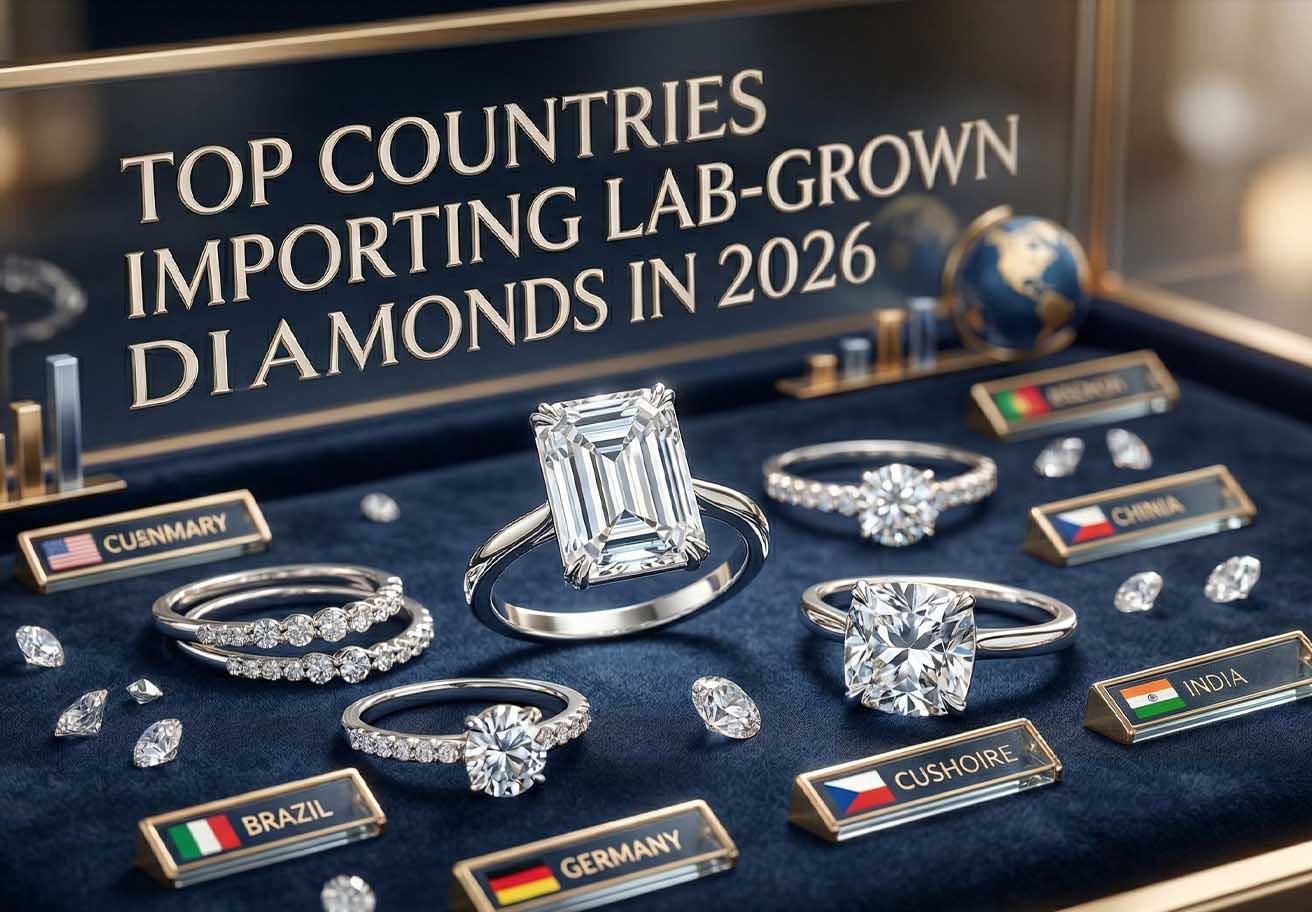
The diamond industry has officially entered a new era. As of 2026, the global lab-grown diamond (LGD) market has matured from a disruptive alternative into a dominant pillar of the luxury and industrial sectors. With a global market valuation projected to hit $33.54 billion this year, the trade routes for these "modern miracles" have shifted significantly.
India remains the world's primary growth engine for production, but the consumption side is a fascinating map of shifting cultural values, economic pragmatism, and strict new regulations. In this deep dive, we explore the top countries importing lab-grown diamonds in 2026, the reasons behind the surging demand, and how businesses can navigate this $30+ billion landscape.

1. The Global Landscape: Market Size and 2026 Projections
By 2026, the lab-grown diamond industry is no longer characterized by the rapid, volatile price drops seen in the early 2020s. Instead, we are seeing a "stabilization of brilliance." Prices for 1-carat stones have found a floor, while the technology to produce larger, cleaner stones has reached its zenith.
Key Stats for 2026:
-
Global Market Value: Estimated at $33.54 billion.
-
Engagement Ring Market Share: Over 55% of all engagement rings sold globally now feature a lab-grown center stone.
-
Growth Method Dominance: HPHT (High Pressure High Temperature) accounts for roughly 54% of the volume, while CVD (Chemical Vapor Deposition) is preferred for high-clarity, high-value jewelry.
-
Colorless vs. Colored: Colorless diamonds (D-F grades) make up 69% of the fashion market imports.
For those seeking the highest echelon of this technology, The Ice Lane has established itself as a premier destination for ethically sourced, high-quality lab diamonds that rival the finest mined stones in the world.

2. The United States: The Uncontested Global Leader
The United States continues to be the largest importer of lab-grown diamonds in 2026, commanding nearly 40-45% of the total global import value.
Why the USA Dominates:
-
Consumer Sentiment: American millennials and Gen Z have almost entirely decoupled the "value" of a diamond from its geological rarity. They prioritize "size-per-dollar" and "ethical footprint."
-
Retail Integration: Major US retailers like Signet and specialized online platforms have fully pivoted their inventory. In many US states, lab-grown diamonds are now the "default" choice offered to bridal couples.
-
Industrial Applications: Beyond jewelry, the US tech sector is a massive importer of industrial-grade synthetic diamonds for semiconductors, thermal management, and precision cutting tools.
For American consumers, the focus has shifted toward high-carat counts. The demand for premium investment-grade stones has skyrocketed as buyers realize they can own a 5-carat, VVS1, D-color solitaire for the price of a 1.5-carat mined stone.

3. The UAE: The "Modern Silk Road" for Diamonds
The United Arab Emirates (UAE), specifically Dubai, has cemented its status as the world’s most critical trading hub for lab-grown diamonds in 2026.
The Dubai Advantage:
-
Tax-Free Environment: Dubai’s DMCC (Dubai Multi Commodities Centre) offers an attractive tax regime for international traders.
-
Strategic Location: Situated between the production giant (India) and the consumption giants (USA and Europe), the UAE acts as a massive re-export hub.
-
Tourism & Retail: Luxury boutiques in the Dubai Mall and Mall of the Emirates are seeing record sales of LGDs to international tourists who seek "tax-free" luxury.
Wholesale buyers looking to tap into this hub often work through a trusted LGD vendor to ensure that stones meet the rigorous IGI or GIA certification standards required for the Middle Eastern market.
4. Europe: The Frontier of Ethical Regulation
The European market (led by Germany, the UK, France, and Italy) is the fastest-growing region for lab-grown diamond imports in terms of percentage growth in 2026.
The "Russian Factor" and New 2026 Rules:
On January 1, 2026, the European Union implemented its most stringent diamond import regulations to date. These rules mandate strict traceability to ensure that no diamonds of Russian origin enter the market, even if they were processed in a third country.
This has inadvertently given a massive boost to lab-grown diamonds. Because LGDs have a verifiable "digital birth certificate," they are often easier to import into the EU than mined diamonds, which require complex "conflict-free" paperwork.
-
Germany: High demand for industrial use and minimalist fashion.
-
United Kingdom: A massive market for "stackable" jewelry and contemporary diamond ring selection.
-
France: Luxury "Maisons" are now integrating lab diamonds into their "Fine Jewelry" lines (previously reserved for mined stones).
5. India: The Producer Becomes a Consumer
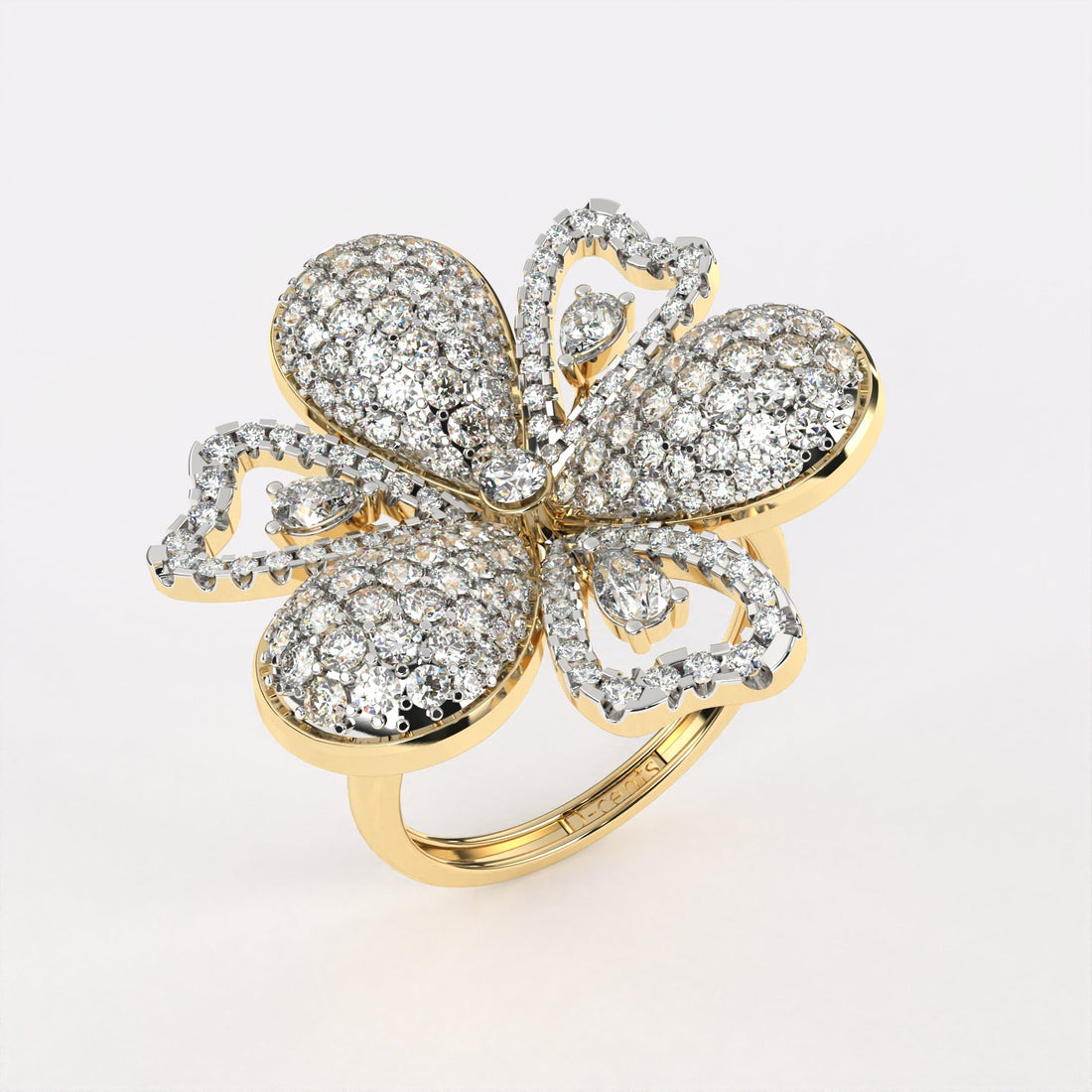
While India is the world's leading exporter (growing at 55% annually), 2026 has seen India emerge as a top-five importer of rough lab-grown seeds and specialized technology.
Furthermore, the domestic Indian market for lab-grown jewelry is expected to reach $453.7 million this year. Indian consumers in Tier-1 cities like Mumbai, Delhi, and Bangalore are increasingly choosing lab diamonds for "travel jewelry" and daily wear.
Best Countries to Export Lab-Grown Diamonds from India in 2026:
If you are an Indian manufacturer, these are the top five high-value destinations:
-
USA: For high-volume bridal.
-
Hong Kong: As a gateway to the broader Asian market.
-
Australia: A massive growing market for sustainable luxury.
-
Belgium (Antwerp): The traditional trading heart, now handling significant LGD volume.
-
Japan: For high-quality, precision-cut HPHT stones.
6. Emerging Markets: Africa and the Middle East
The narrative that Africa only produces diamonds is changing. In 2026, countries like South Africa and Botswana are seeing a rise in lab-grown imports for their local luxury markets. Younger, urban populations in these nations are embracing the tech-forward nature of LGDs.
In the Middle East, Saudi Arabia is the "dark horse" of 2026. Under the Vision 2030 initiative, the luxury retail sector is exploding, and lab-grown diamonds are being featured in high-end Riyadh boutiques as a "sustainable luxury" alternative to traditional mining.
7. The 2026 Jewelry Trends Driving Imports
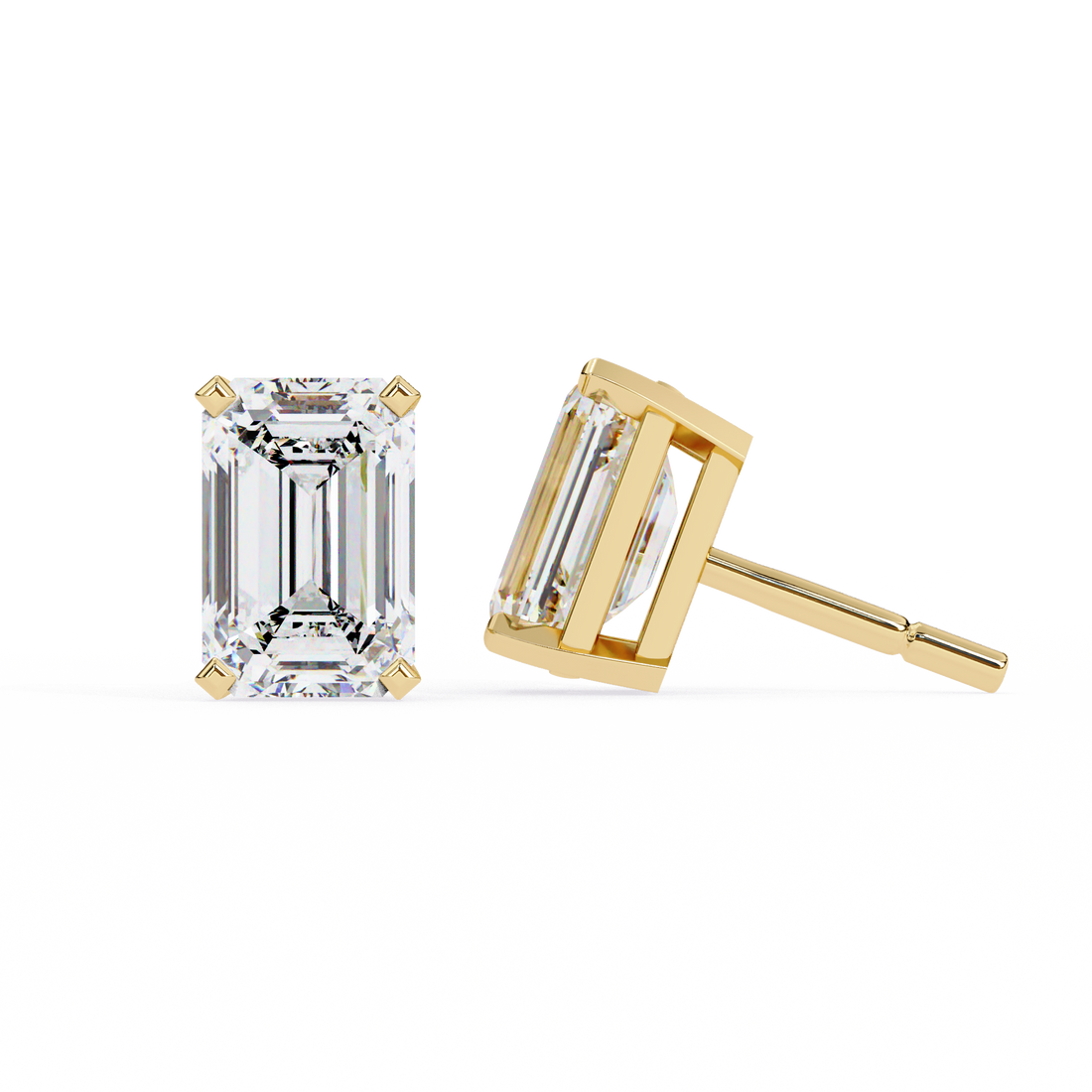
What specific products are these countries importing? The data shows a shift toward two extremes: Ultra-Luxury and Everyday Chic.
The Rise of "Lightwear"
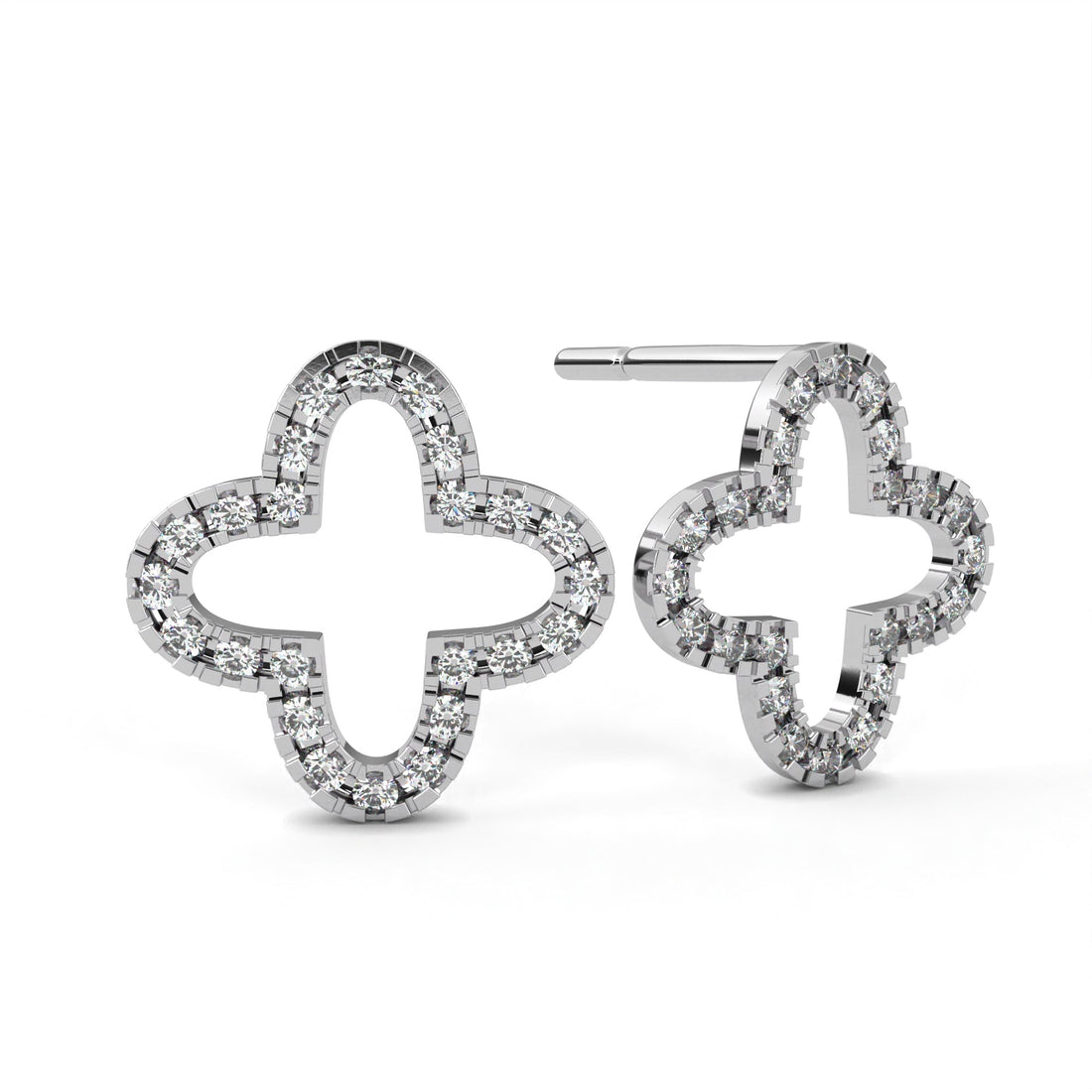
Import volumes for stones under 1 carat have increased by 20% globally. This is driven by the trend of "diamond-heavy" daily fashion. Women are no longer waiting for a proposal to wear diamonds; they are buying minimalist lab-grown bangles and tennis bracelets for themselves.
The 5-Carat Standard
In the USA and UAE, the "standard" for an impressive engagement ring has shifted from 1.5 carats to nearly 3-4 carats. This "carat inflation" is only possible due to the affordability of lab-grown imports.
8. Import Regulations: What You Need to Know in 2026
Navigating the customs of top importing nations requires precision:
-
USA: Mandatory disclosure is enforced by the FTC. Every stone must be clearly labeled.
-
EU: Importers must provide a "Due Diligence Statement" on origin. A grading report alone is no longer enough; you need a chain of custody.
-
China: Imports are strictly monitored to protect the massive domestic HPHT production industry, often favoring "Made in China" stones.
9. Conclusion: The Future is Laboratory-Grown
As we move through 2026, the distinction between "natural" and "lab" is becoming a matter of personal philosophy rather than physical quality. For the top importing nations—the USA, UAE, and the EU—the choice is clear: lab-grown diamonds offer a blend of technological brilliance, ethical peace of mind, and unparalleled value.
Whether you are a retailer looking for a professional diamond sourcing partner or a consumer looking for your next ethical bridal jewelry, the global market of 2026 has never been more vibrant.
The diamond isn't just a stone anymore; it's a statement of how we value our planet and our future. Explore the collection at The Ice Lane to see where the world of diamonds is heading.
Summary Table: Top LGD Importers 2026
| Country | Primary Import Driver | Growth Outlook | Key Market Segment |
| USA | Engagement & Tech | Very High | 3ct+ Solitaires |
| UAE | Trading & Re-export | High | Luxury Wholesale |
| UK | Fashion & Self-gift | Moderate | Bangles & Bands |
| Germany | Ethics & Industry | Steady | High-Clarity CVD |
| Japan | Precision Quality | Growing | Small Melee & Rounds |
Chat with an expert on WhatsApp: +91 81078 88600
Ready to find a stone that’s worth every penny of the joy it brings?
Curious to know the best lab grown brands truth we have covered in this blog
2026 Global Import Dynamics
Why is the USA importing nearly 45% of the world's lab-grown diamonds?
The USA dominates imports because over 55% of American engagement rings now feature lab-grown stones. Consumers have prioritized "size-per-dollar," leading to a massive surge in demand for 3–5 carat solitaires that offer an ethical footprint without the geological markup.
How has the "Dubai Advantage" changed the 2026 trade route?
Dubai has become the "Modern Silk Road" for diamonds. Due to its tax-free DMCC regime and strategic location between India and Europe, it serves as the ultimate re-export hub where luxury boutiques sell record volumes to tax-free international tourists.
What are the strict 2026 European Union diamond traceability rules?
As of January 1, 2026, the EU requires a "Due Diligence Statement" for all imports to ensure zero Russian origin. Lab-grown diamonds benefit here because they possess a verifiable digital birth certificate, making them easier to clear through customs than complex mined supply chains.
Which emerging markets are the "dark horses" of 2026 luxury?
Saudi Arabia is the standout emerging market. Under Vision 2030, Riyadh boutiques are positioning lab-grown diamonds as the "sustainable luxury" alternative, while parts of Africa are seeing a rise in LGD imports for their growing urban millennial populations.
Why is India now a top-five importer of diamond seeds?
While India is the leading exporter, it has become a top importer of rough diamond seeds and reactor tech to fuel its 55% annual production growth. Additionally, the domestic market has exploded to $453.7 million, with urban Indians choosing LGDs for "travel jewelry."