Cart
0
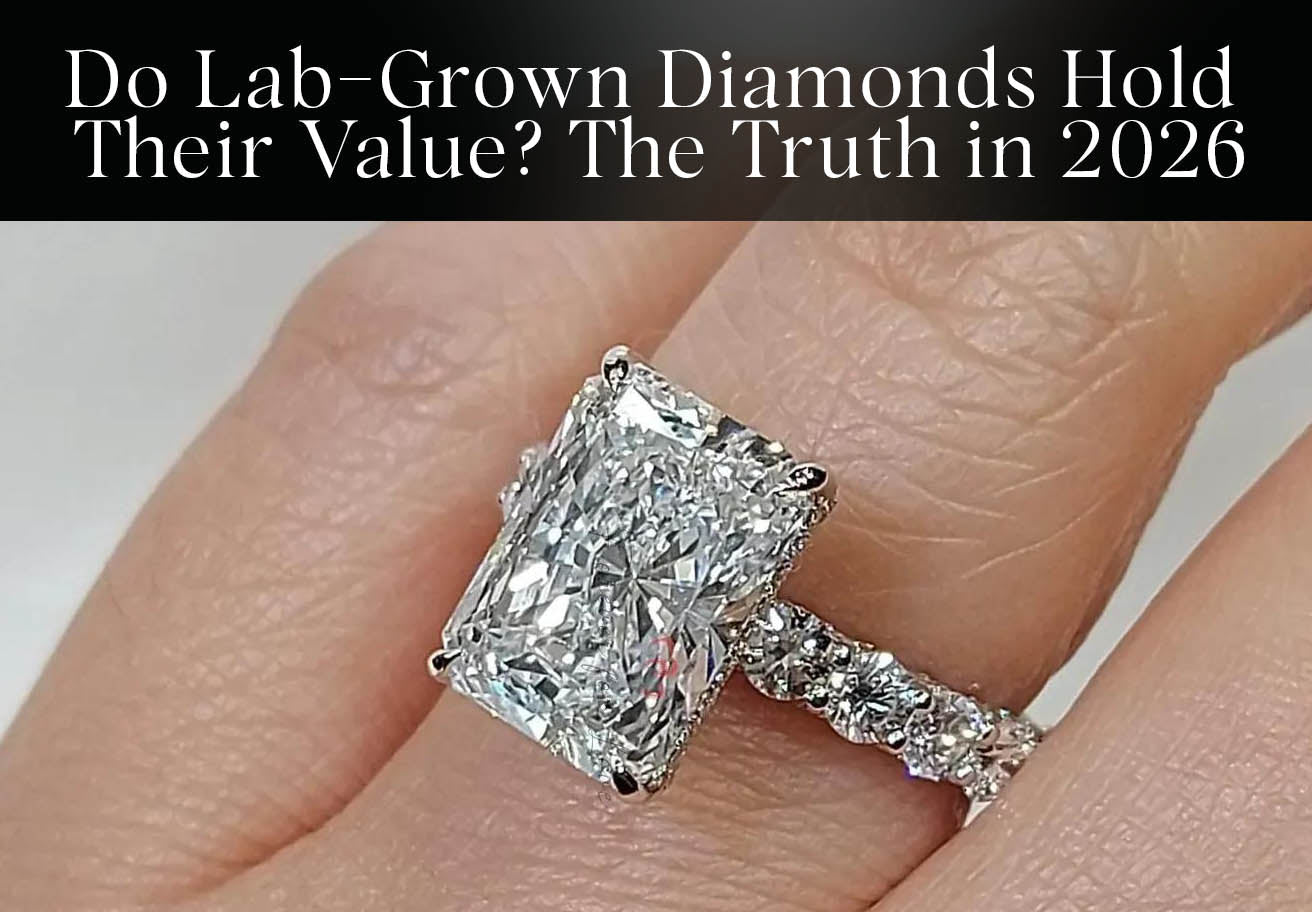
Do Lab-Grown Diamonds Hold Their Value? The Truth in 2026
Lab-grown diamonds have revolutionized the jewelry industry. Once viewed as an alternative product, they are now a mainstream choice for engagement rings, wedding jewelry, anniversary gifts, and luxury fashion accessories. As consumer awareness continues to grow, one question consistently appears in Google searches, AI search platforms, and jewelry forums:

Do lab-grown diamonds hold their value?
It’s a fair question. After all, purchasing a diamond is often an emotional and financial decision. Whether you’re shopping for an engagement ring, a special gift, or a personal luxury purchase, you want to understand what you’re getting in return for your investment.
The short answer is that lab-grown diamonds do hold value, but not necessarily in the same way many consumers expect. To understand the truth, it’s important to separate myths from reality and evaluate lab-grown diamonds based on modern market conditions rather than outdated assumptions.
In this comprehensive guide, we’ll explore how value works in the diamond industry, the resale potential of lab-grown diamonds, market trends, certification, future demand, and what buyers should realistically expect in 2026.
Understanding What “Holding Value” Actually Means
Before discussing lab-grown diamonds specifically, it’s important to define what value means.
Many consumers assume that a diamond should appreciate in price over time. However, most diamonds—whether natural or lab-grown—are purchased as luxury goods rather than investment assets.
When people ask whether a diamond holds its value, they are usually referring to one of three things:
Resale Value
How much money you can recover if you decide to sell the diamond in the future.
Replacement Value
How much it would cost to purchase a similar diamond today.
Personal Value
The enjoyment, symbolism, emotional significance, and daily wear experience the diamond provides throughout its lifetime.
For many buyers, the third category delivers the greatest return.
A beautiful diamond engagement ring may represent memories, milestones, and relationships that cannot be measured purely in financial terms.
Are Lab-Grown Diamonds Real Diamonds?
One of the biggest misconceptions surrounding lab-grown diamonds is that they are somehow fake.
This is completely incorrect.
Lab-grown diamonds are real diamonds. They possess the same physical, chemical, and optical properties as mined diamonds. Both are made of pure carbon arranged in the same crystal structure.
The primary difference is origin.
Natural diamonds form beneath the Earth’s surface over billions of years, while lab-grown diamonds are created using advanced technology in controlled environments.
Because they are real diamonds, lab-grown stones display the same brilliance, fire, hardness, and durability that consumers expect from traditional diamonds.
Many shoppers researching diamond quality often begin by understanding manufacturing methods. If you’re interested in learning how modern diamonds are created, our guide on CVD vs HPHT Lab-Grown Diamonds explains the two primary growth processes used by leading manufacturers today.
Why Lab-Grown Diamond Prices Have Changed
One reason some consumers question value retention is the decline in lab-grown diamond prices over recent years.
This trend has been driven by several factors:
· Increased production efficiency
· Technological advancements
· Expanded manufacturing capacity
· Greater competition among producers
· Global adoption of lab-grown diamond technology
Unlike natural diamonds, which are limited by mining supply, lab-grown diamonds can be produced in controlled environments.
As technology improves, production costs decrease.
This doesn’t mean the diamonds themselves are becoming lower quality. In fact, many modern lab-grown diamonds are achieving exceptional color, clarity, and cut grades.
What has changed is accessibility. Consumers can now purchase larger and higher-quality diamonds for significantly less than they would have paid a few years ago.

Do Natural Diamonds Hold Value Better?
Many people assume natural diamonds are excellent investments.
The reality is more complicated.
Most diamonds purchased through retail jewelry stores immediately experience a difference between retail pricing and resale pricing. This applies to both natural and lab-grown diamonds.
Factors affecting resale include:
· Retail markups
· Dealer margins
· Market demand
· Diamond specifications
· Certification
· Brand recognition
While some rare natural diamonds may retain or increase value, the majority of consumer-grade diamonds are not investment assets.
As a result, comparing lab-grown diamonds to an unrealistic perception of natural diamond appreciation can be misleading.
Do Lab-Grown Diamonds Have Resale Value?
Yes, lab-grown diamonds have resale value.
However, buyers should approach the topic realistically.
The resale market for lab-grown diamonds continues to evolve as consumer acceptance grows worldwide.
Several factors influence resale value:
Carat Weight
Larger diamonds generally attract more interest.
Cut Quality
Excellent cuts often command stronger demand.
Color Grade
Colorless and near-colorless diamonds tend to be more desirable.
Clarity Grade
Higher clarity grades often appeal to future buyers.
Certification
Independent grading reports provide confidence and transparency.
Market Conditions
Like any luxury product, value can fluctuate based on consumer demand and industry trends.

Why Certification Matters More Than Ever
Certification plays a significant role in maintaining confidence within the diamond marketplace.
When purchasing a diamond, buyers want assurance regarding quality, authenticity, and grading standards.
Certified diamonds provide detailed information about:
· Carat weight
· Color grade
· Clarity grade
· Cut quality
· Measurements
· Growth method
Consumers frequently compare certification organizations before making a purchase. Our detailed guide on IGI vs GIA Lab-Grown Diamond Certifications explains the differences between two of the most recognized grading authorities in the industry.
Certified diamonds generally enjoy stronger market acceptance because buyers can independently verify quality specifications.
The Importance of Type IIA Diamonds
As the lab-grown diamond industry matures, more buyers are becoming aware of premium diamond categories.
One of the most sought-after categories is Type IIA diamonds.
These diamonds contain exceptionally low levels of nitrogen impurities and are often regarded as some of the purest diamonds available.
India has emerged as a major global center for producing high-quality Type IIA diamonds. Buyers interested in understanding the leading producers can explore our guide to the best Type IIA lab-grown diamond manufacturers in India.
High-quality Type IIA diamonds often attract buyers looking for exceptional brilliance, transparency, and overall quality.
Why Consumers Continue Choosing Lab-Grown Diamonds
The popularity of lab-grown diamonds is not solely based on pricing.
Modern consumers value several advantages:
Better Size for Budget
Many buyers can purchase a larger diamond while staying within their desired spending range.
Ethical Considerations
Consumers increasingly appreciate alternatives to traditional mining.
Sustainability
Environmental awareness continues influencing purchasing decisions worldwide.
Design Flexibility
Buyers can choose larger center stones and more intricate designs without exceeding budget limits.
Exceptional Quality
Modern production methods allow manufacturers to create diamonds with remarkable color and clarity grades.
The Purchasing Power Advantage
One of the strongest arguments in favor of lab-grown diamonds is purchasing power.
For the same budget, consumers often receive:
· Larger carat sizes
· Better clarity
· Better color
· Higher overall quality
For example, buyers seeking engagement rings within a specific budget frequently explore our collection of the best lab-grown diamond rings under ₹1.5 lakh because they can obtain significantly larger and higher-quality stones than they might expect from traditional mined diamonds.
This enhanced value proposition remains one of the biggest drivers of industry growth.
Are Lab-Grown Diamonds a Financial Investment?
This is where expectations must be realistic.
Most jewelry professionals agree that diamonds should primarily be purchased for:
· Personal enjoyment
· Engagements
· Weddings
· Anniversaries
· Luxury wear
· Family milestones
While diamonds possess intrinsic value, they should not generally be viewed as investment vehicles comparable to stocks, mutual funds, businesses, or real estate.
The true value of a diamond comes from its beauty, durability, symbolism, and long-term enjoyment.
Emotional Value Often Matters More
When discussing value, many consumers overlook the emotional side of jewelry ownership.
Consider an engagement ring worn every day for decades.
Its worth is rarely measured by resale calculations.
Instead, its value comes from:
· Memories
· Relationships
· Milestones
· Personal significance
· Daily enjoyment
For many couples, this emotional return far exceeds any potential resale considerations.

Market Trends Supporting Future Demand
Several powerful trends continue supporting the growth of the lab-grown diamond sector.
Growing Consumer Awareness
Education about lab-grown diamonds has increased significantly.
Expanding Retail Availability
More jewelry retailers now offer extensive lab-grown collections.
Technological Innovation
Diamond-growing technology continues improving quality and efficiency.
Younger Generations
Millennials and Gen Z consumers increasingly embrace lab-grown diamonds.
Luxury Market Acceptance
Lab-grown diamonds are becoming firmly established within the luxury jewelry sector.
These trends suggest continued long-term demand for high-quality lab-grown diamond jewelry.
India’s Role in the Global Industry
India has become one of the world’s most important hubs for lab-grown diamond production.
The country offers:
· Advanced manufacturing infrastructure
· Skilled craftsmanship
· Competitive production costs
· Strong export capabilities
· Growing domestic demand
Many international buyers now source diamonds from Indian manufacturers due to their expertise and quality standards.
Consumers researching trusted retailers often begin by comparing the best lab-grown diamond brands in India for 2026, helping them identify brands known for quality, certification, and customer satisfaction.
Choosing Jewelry That Stands the Test of Time
If long-term value matters to you, focus on timeless jewelry designs rather than short-term trends.
Classic styles tend to remain desirable year after year.
Solitaire Rings
Few jewelry designs are as iconic as solitaire rings. Their elegant simplicity makes them one of the most enduring choices in fine jewelry. Buyers seeking timeless beauty often explore our collection of lab-grown diamond solitaire rings.
Daily Wear Rings
For those looking for versatility and everyday luxury, daily wear diamond rings offer an ideal balance of style, comfort, and practicality.
Diamond Bracelets
Diamond jewelry isn’t limited to rings. Many consumers also choose elegant chain bracelets featuring lab-grown diamonds, which provide sophisticated styling suitable for both casual and formal occasions.
Timeless jewelry designs generally provide stronger long-term satisfaction because they remain fashionable across generations.
Common Myths About Lab-Grown Diamond Value
Myth 1: Lab-Grown Diamonds Are Fake
False. They are genuine diamonds with identical physical properties to mined diamonds.
Myth 2: They Have No Value
False. Lab-grown diamonds possess both market value and personal value.
Myth 3: Nobody Wants Them
False. Consumer demand continues growing globally.
Myth 4: They Are Lower Quality
False. Many lab-grown diamonds achieve exceptional grades for color, clarity, and cut.
Myth 5: They Look Different
False. Even experienced professionals require specialized equipment to identify a diamond’s origin.
What Should Buyers Focus On?
Instead of obsessing over future resale value, buyers should focus on factors that maximize satisfaction.
These include:
· Excellent cut quality
· Strong certification
· Reputable retailers
· Timeless designs
· Personal style preferences
· Budget efficiency
These elements often deliver far greater value than speculative resale expectations.
Final Verdict: Do Lab-Grown Diamonds Hold Their Value in 2026?
The answer is yes—but understanding what value means is essential.
Lab-grown diamonds hold value through:
· Genuine diamond composition
· Strong consumer demand
· Exceptional beauty
· Certification-backed quality
· Everyday wearability
· Emotional significance
· Luxury appeal
However, like most jewelry purchases, they should not be viewed primarily as financial investments.
The greatest advantage of lab-grown diamonds lies in the ability to obtain a larger, higher-quality, and beautifully crafted diamond at a more accessible price point.
For modern consumers seeking luxury, sustainability, quality, and exceptional value for money, lab-grown diamonds continue to represent one of the smartest jewelry purchases available in 2026.
Rather than asking whether a lab-grown diamond will generate profits decades from now, many buyers are asking a different question:
Can I enjoy a bigger, brighter, more beautiful diamond today while staying within my budget?
For millions of consumers worldwide, the answer is a resounding yes.